A Practical Guide to Britain’s Favourite Feline Companions
A homeowner can choose the right cat breed by understanding feline temperament, routine needs, and how different cats respond to absence, change, and unfamiliar carers.
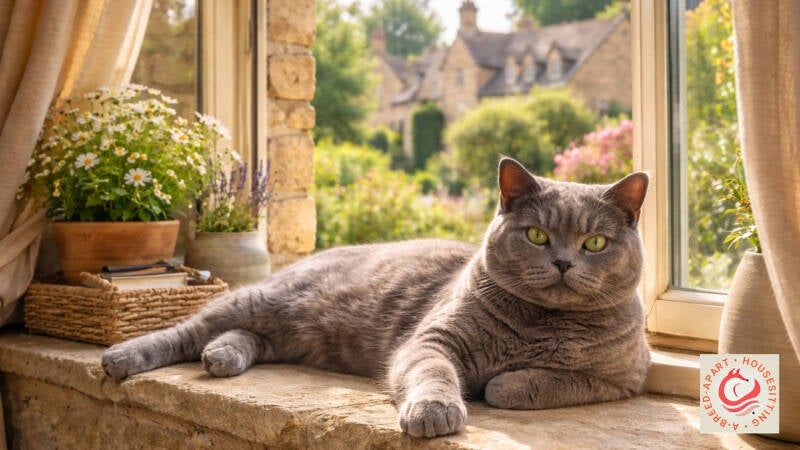
Cats occupy a quieter place in British homes than dogs, but their presence is no less significant. From settled village cottages to larger rural houses, cats often anchor a household through routine, familiarity, and place.
At A-Breed-Apart, Glenn and Mandy, a mature, professional housesitting couple, have cared for cats ranging from sociable lap companions to entirely self-directed outdoor types. What becomes clear very quickly is that there is no such thing as a “typical” cat. Breed, background, and environment shape behaviour far more than most owners expect.
This Most Loved Cats series is designed to offer clear, practical guidance on the cat breeds most commonly found in UK homes, alongside rarer and more specialist types, with a focus on routine, security, and suitability during owner absences.
Why Cats Need a Different Conversation to Dogs
Cats are often described as low-maintenance, but that description is misleading.
Unlike dogs, most cats:
- Anchor themselves to territory rather than people
- Respond poorly to sudden change
- Mask stress or illness rather than signalling it clearly
- Depend heavily on unchanged routines
This means that breed, temperament, and environment matter enormously, particularly when owners travel or rely on a housesitter. A cat that copes well with short absences may struggle with extended disruption, even if food and litter are provided correctly.
Understanding breed tendencies helps homeowners make informed choices and set realistic expectations.
What “Most Loved Cats” Means in Practice
This series is not a popularity contest, nor a purely aesthetic guide.
When we refer to most loved cats, we mean breeds that:
- Appear most frequently in UK households
- Are commonly encountered during housesits
- Have established behavioural patterns worth understanding
- Present specific considerations around routine, security, and care
This includes:
- Popular pedigree breeds
- Long-established domestic cats
- Rural and semi-feral types
- Specialist and exotic breeds increasingly found in UK homes
Each breed profile in this series focuses on how the cat actually lives, not how it is marketed.
Cats, Routine, and Home Security
From a housesitting perspective, cats are often the silent barometer of whether a household routine is working.
Cats that feel unsettled may:
- Stop eating reliably
- Withdraw or hide
- Begin toileting inconsistently
- Attempt to leave the property
For rural homeowners, this introduces additional security considerations, particularly with outdoor access, barns, and multiple entry points.
Breed tendencies play a role here. Some cats adapt readily to a steady caretaker presence, while others require absolute consistency and minimal interference. This series explores those differences clearly, without judgement.
Who This Series Is For
This guide is written for:
- Homeowners considering a particular cat breed
- Existing cat owners wanting deeper understanding
- Rural households with outdoor or semi-independent cats
- People arranging housesitting for the first time
- Sitters seeking to improve feline confidence and care
The emphasis is always on predictability, calm handling, and respect for feline boundaries.
Cat Age → Human Age Calculator
Download our free reference on signs of cat illness or stress
Frequently Asked Questions
Are some cat breeds easier to leave with a housesitter?
Yes. Breeds with steady temperaments and strong routine tolerance typically adapt better, provided care is consistent and minimal disruption is introduced.
Do cats cope better alone than dogs?
Cats cope differently, not necessarily better. Many tolerate short absences but struggle with longer periods without familiar routines or scents.
Are pedigree cats more demanding than mixed-breed cats?
Not always. Some pedigree cats are highly adaptable, while others require strict routines. Behaviour depends on breed traits and early experience.
Should outdoor cats be shut in during a housesit?
Often yes, at least initially. Temporary restriction helps establish safety and reduces the risk of cats attempting to return to absent owners.
Do cats need written routines like dogs do?
Absolutely. Feeding, access points, litter preferences, and behavioural cues should be documented clearly.
Cats reward consistency, not enthusiasm. When their environment remains predictable, they settle. When it changes abruptly, they rarely complain, they simply withdraw.
If you’re exploring the Most Loved Cats series, take your time with each breed profile and consider how temperament, routine, and environment align with your household and travel patterns.
If you found this guide useful, you may also enjoy our forthcoming articles exploring individual breeds in detail, or our practical guides on preparing cats for extended absences.
Is there a particular cat breed, behaviour, or housesitting concern you’d like us to cover next? You’re very welcome to let us know, and to share this guide with others who may find it useful.
Quick Links: Explore By Breed
British Shorthair Cats
Ragdoll Cats

Scottish Fold Cats