

A homeowner can decide whether a Scottish Fold is appropriate by understanding its calm temperament alongside the significant, well-documented welfare risks associated with the breed’s physical traits.
Why the Scottish Fold is in the News
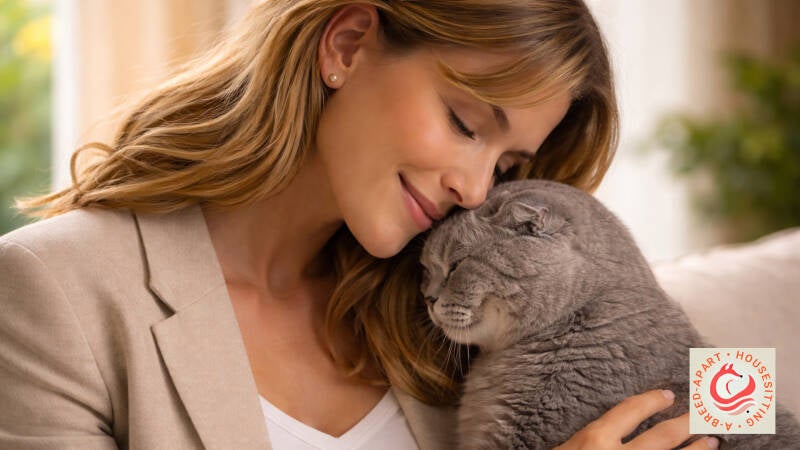
Few cat breeds attract as much attention, or concern, as the Scottish Fold. Instantly recognisable by its folded ears and rounded expression, the breed has featured repeatedly in recent news due to growing welfare debates within the UK and internationally.
Many cat lovers admire their gentle appearance but are unsure what lies beneath it. This article addresses that uncertainty directly, without judgement or sensationalism.
The Scottish Fold is not controversial because of its temperament, which is typically calm and affectionate, but because the very feature that defines its appearance is linked to lifelong health implications.
Temperament at a Glance
Typical Scottish Fold traits (general tendencies):
- Sociability: Moderate to high
- Independence: Moderate
- Vocalisation: Low
- Energy level: Low to moderate
- Affection style: Close proximity, occasional lap contact
- Confidence: Gentle, non-confrontational
In behaviour alone, Scottish Folds are often easy to live with. The challenges lie elsewhere.
Attachment Style: People, Place, or Routine?
Scottish Folds tend to form strong attachments to people, more so than some more independent breeds.
They often:
- Follow owners from room to room
- Seek reassurance during change
- Prefer predictable human presence
This can make them appear emotionally intuitive, but it also means they may be more sensitive to absence or inconsistent care.
The Welfare Issue: What the Debate Is About
The Scottish Fold’s folded ears are caused by a genetic mutation affecting cartilage throughout the body, not just the ears.
This mutation is associated with:
- Progressive joint disease
- Early-onset arthritis
- Reduced mobility as the cat matures
Veterinary and welfare organisations have increasingly raised concerns, and in some countries the breeding of Scottish Folds is restricted or discouraged. In the UK, the breed has been the subject of renewed scrutiny, prompting many prospective owners to reassess their choices.
This is not a matter of opinion, but of documented risk.
Suitability for Rural and Semi-Rural Homes
From an environmental perspective, Scottish Folds are best suited to quiet, controlled homes.
They are:
- Poor candidates for unrestricted outdoor access
- Unsuitable for roaming or rough terrain
- Better kept indoors or with supervised outdoor time
Their physical vulnerability means rural living must be approached cautiously and thoughtfully.
Routine Needs and Daily Expectations
Scottish Folds benefit from:
- Highly consistent routines
- Gentle, low-impact play
- Warm, comfortable resting areas
- Minimal environmental disruption
They do not cope well with sudden changes, especially when compounded by discomfort.
Grooming, Health, and Physical Considerations
This is where owners must be especially realistic.
Key considerations include:
- Ongoing joint monitoring
- Weight management to reduce strain
- Adapted play and enrichment
- Increased veterinary oversight as the cat ages
Even cats that appear outwardly healthy as kittens may develop mobility issues later in life.
How Scottish Folds Cope with Owner Absence
Scottish Folds often struggle more than expected during owner absence.
Typical signs include:
- Increased clinginess before departure
- Reduced appetite
- Withdrawal or hiding
- Heightened sensitivity to unfamiliar carers
They require not just presence, but attentive, consistent handling.
Scottish Folds and Housesitting Arrangements
From a housesitting perspective, Scottish Folds require a higher level of awareness.
They do best when:
- One experienced sitter is present
- Handling is gentle and observant
- Subtle changes in movement or behaviour are noticed early
They are not suitable for casual or rotating care arrangements.
Common Misunderstandings About the Scottish Fold
“They’re just like any other calm cat.”
Temperament may be calm, but physical needs are not typical.
“The ears are harmless.”
The ear fold is linked to systemic cartilage issues.
“If they look comfortable, they are.”
Cats often mask discomfort until it becomes significant.

Is the Scottish Fold Right for You?
Well suited if you:
- Are fully informed about welfare concerns
- Can commit to long-term veterinary care
- Maintain stable routines
- Prefer indoor, low-impact lifestyles
May struggle if you:
- Want a physically robust, active cat
- Travel frequently without consistent care
- Expect a low-intervention pet
Cat Scratcher
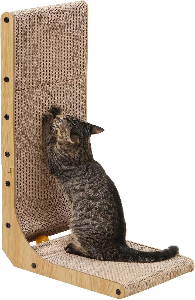
Provides a durable scratching surface that supports natural behaviour, protects furnishings, and offers gentle daily movement for heavier or less active cats indoors.
Marketplace: Supportive Products for Mobility and Comfort
This site contains affiliate links to products. We may receive a commission for purchases made through these links at no additional cost to you. As Amazon Associates, we earn from qualifying purchases.
Pheromone Diffuser
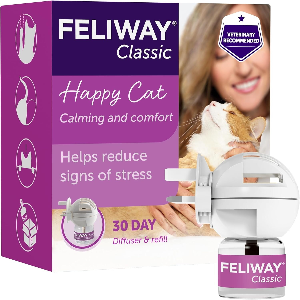
Helps reduce feline stress by releasing calming pheromones, supporting settled behaviour during change, travel, or absence, without sedation, scent, or ongoing effort from owners daily.
Cat Water Fountain

Encourages regular hydration with quiet, cordless operation, ideal for kitchens and living spaces, supporting kidney health without trailing cables or constant refilling.
Microchip Pet Feeder

Ensures accurate portion control and protects food from other pets, maintaining routine feeding patterns for cats who thrive on consistency and controlled access.
Frequently asked questions
These frequently asked questions address the practical points homeowners most often raise when considering a Scottish Fold, from routine needs to suitability during absence. Each answer is grounded in everyday experience, helping you make informed, confident decisions without unnecessary complication or assumption.
Are Scottish Folds good family cats?
They are gentle and tolerant, but families must be prepared for ongoing health management.
Do all Scottish Folds develop joint problems?
Not all, but the risk is inherent to the breed and cannot be bred out entirely.
Are Scottish Folds suitable for housesitting?
Only with experienced, consistent carers who understand the breed’s sensitivities.
Are Scottish Folds still being bred in the UK?
Yes, though the practice is increasingly questioned by welfare organisations.
The Scottish Fold’s appeal is understandable. Calm, gentle, and visually distinctive, they fit easily into quiet homes. But responsible ownership requires looking beyond appearance to long-term welfare.
For many households, admiration may be better expressed through informed restraint rather than ownership.
If you found this guide helpful, you may wish to explore other breeds in our Most Loved Cats series, each assessed with the same practical, welfare-led approach.
Have you encountered a Scottish Fold, or followed the recent discussions around the breed? You’re welcome to share your perspective, or pass this article on to others considering their options carefully.
Related Reads
- Must Loved Cats in the UK
- Top 5 Cat Water Fountains For 2026: A Comparison Guide
- Senior Cat Care: Supporting Your Feline Through Their Golden Years
Author Bio
Glenn Bauer is a trusted professional specialising in house and pet sitting for rural homes and estates across the Cotswolds, West Oxfordshire, and Wiltshire. With extensive hands-on experience caring for dogs, cats, small livestock, and large, isolated properties, he provides a secure, privacy-conscious service noted for reliability and care.
Read more via Glenn and Mandy: The Journey Behind A-Breed-Apart.

Add comment
Comments