

A homeowner can support UK wildlife by feeding wild birds responsibly, maintaining clean feeding areas, and providing water and shelter during seasonal food shortages.
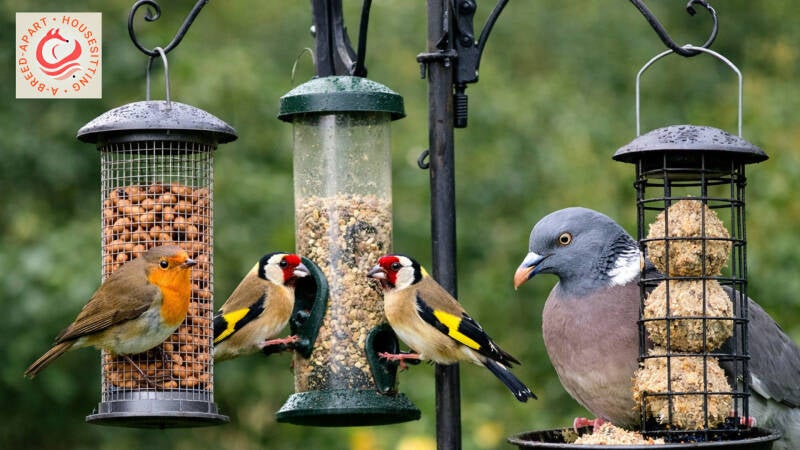
Feeding the wild birds that frequent your garden is good stewardship and can provide hours of entertainment. For many rural homeowners, bird feeding sits naturally alongside caring for pets, poultry, and land.
This guide explains why feeding birds matters, when it helps most, and how to do it responsibly, in a way that aligns with thoughtful rural living.
Why Feeding Wild Birds Matters
Feeding wild birds helps offset habitat loss and seasonal food shortages caused by modern land use and unpredictable weather.
Over recent decades, hedgerow loss, intensive farming, and urban spread have reduced natural food sources. Even well-managed countryside gardens may not provide enough seed, insects, or berries year-round.
Supplementary feeding:
- Improves winter survival rates
- Supports breeding success in spring
- Encourages stable, observable bird populations
- Maintains biodiversity in managed landscapes
According to guidance from the RSPB, responsible feeding is now considered beneficial rather than optional, particularly during colder months.
When Should You Feed Wild Birds?
Direct answer: The most important feeding periods are late autumn through early spring, with continued light support during breeding season.
Key seasons explained
- Autumn: Natural food declines after harvest and leaf fall
- Winter: Cold weather increases energy demands
- Early spring: Birds need fuel before insects fully return
- Breeding season: Adults require protein to feed chicks
Feeding year-round is acceptable if done consistently and hygienically. Stopping abruptly during harsh weather can cause unnecessary stress.
The RSPB Big Garden Birdwatch 2026: A Simple Way to Contribute
Each January, homeowners across the UK are invited to take part in the RSPB Big Garden Birdwatch, the world’s largest garden wildlife survey. It is one of the most valuable snapshots we have of how familiar bird species are faring.
10x42 Binoculars for Adults

10x42 binoculars deliver clear, steady viewing from indoors, letting homeowners observe feeding behaviour discreetly, identify species accurately, and enjoy garden birdlife without disturbance year-round comfortably.
For 2026, the Birdwatch takes place over:
- Friday 23 January
- Saturday 24 January
- Sunday 25 January
Taking part is deliberately straightforward. You choose one hour over the weekend, settle somewhere comfortable, and record which birds actually land in your garden, or a local park if you are out walking.
How to Take Part
The One-Hour Rule
Spend exactly 60 minutes watching. A cup of tea is strongly encouraged.
Only Count Landings
Record only the birds that land in your garden or on feeders, not those flying overhead.
Peak Numbers Only
To avoid double-counting the same energetic Blue Tit, record the highest number of each species seen at any one time.
Submit Your Results
Results are submitted online via the RSPB website. Even if you see no birds at all, that absence is still important data.
You can find full details, identification guides, and the results submission page here:
👉 https://www.rspb.org.uk/whats-happening/big-garden-birdwatch
Involving Children and Grandchildren
If you have children or grandchildren nearby, the Big Schools’ Birdwatch runs from 7 January to 14 February, offering a relaxed way to involve younger family members and local schools in observing wildlife.
Why it matters:
Many of the birds we see daily at feeders, robins, house sparrows, starlings, are declining nationally. One quiet hour of observation helps build a national picture that shapes future conservation decisions.
It is stewardship at its simplest: noticing what is already there, and taking the time to record it.
What Foods Are Appropriate
Direct answer: Use high-energy, species-appropriate foods and avoid processed or salty human foods.
Recommended foods
- Black sunflower seeds
- Quality seed mixes with low husk content
- Suet balls and fat blocks
- Peanuts (in mesh feeders only)
- Mealworms (especially in spring)
Foods to avoid
- Bread and baked goods
- Salted peanuts
- Milk
- Cooking fat or leftovers
The British Trust for Ornithology stresses that poor food choices can do more harm than good, particularly to fledglings.
High Energy Fat Balls

High-energy fat balls provide essential calories during winter, supporting small birds through cold spells, encouraging regular feeder visits, and sustaining healthy condition when natural food is scarce.
Feeding Without Creating Dependency
Direct answer: Birds do not become dependent if feeding supplements, rather than replaces, natural foraging.
A common concern is whether feeding birds makes them reliant on humans. Evidence suggests otherwise. Birds continue to forage naturally and use feeders as an additional resource, particularly during scarcity.
The key is consistency, not excess. Regular, modest feeding mirrors natural availability more closely than sporadic abundance.
Cleanliness and Disease Prevention
Direct answer: Regular cleaning of feeders and feeding areas prevents disease transmission.
Good stewardship includes hygiene:
- Clean feeders weekly with hot water
- Rotate feeding locations
- Clear fallen seed from hard surfaces
- Avoid overcrowding by using multiple feeders
The British Veterinary Association has repeatedly highlighted hygiene as the most important factor in preventing garden bird illness.
Water: Often Overlooked, Always Essential
Direct answer: Fresh water is as important as food, particularly during freezing or dry conditions.
Birds require water for drinking and feather maintenance. A shallow bird bath:
- Supports more species than feeders alone
- Helps birds regulate body temperature
- Encourages natural behaviour
Refresh daily and break ice during frost. Position baths where birds have a clear view of predators.
Nest Boxes and Habitat Support
Direct answer: Nest boxes and planting choices enhance the long-term value of feeding.
Feeding is most effective when paired with habitat support:
- Install species-appropriate nest boxes
- Maintain hedges and seed heads
- Leave some leaf litter and fallen branches
The Wildlife Trusts recommends combining feeding with habitat measures to avoid creating artificial bottlenecks.
Marketplace: Wild Bird Feeding Essentials
Some of the links above are affiliate recommendations. They help support the continued publication of our guides and the practical pet and home care advice we provide, at no additional cost to the reader.
Squirrel Proof Bird Feeder for Seeds

Well-engineered squirrel-resistant feeder protects seed supplies, allows smaller birds to feed undisturbed, reduces waste, discourages pests, and supports calmer, more reliable garden feeding routines overall.
Wild Bird Seed 20kg

Large 20kg wild bird seed sack providing reliable winter feeding, attracting diverse species, offering value for regular feeders while reducing frequent purchases and storage disruption.
Rose Bird Bath, Hand Cast Stone

Hand-cast stone bird bath with rose detailing, providing stable, frost-resistant water access, encouraging natural bathing behaviour while adding a well-made focal point to rural gardens.
Step-by-Step: Responsible Bird Feeding Routine
- Choose one feeder type and one food initially
- Position feeders away from dense cover predators may use
- Feed small amounts, replenished regularly
- Clean feeders weekly
- Provide water year-round
- Adjust food types seasonally
FAQs
FAQ: Is feeding wild birds really necessary in the countryside?
Yes. Even rural gardens often lack sufficient natural food due to modern land management and weather variability.
FAQ: Can feeding birds attract pests?
Poor hygiene can, but clean feeders, correct food, and sensible placement minimise risk.
FAQ: Should I stop feeding in spring?
No. Gradual seasonal adjustment is better than stopping abruptly, especially during cold springs.
FAQ: How many feeders should I have?
Multiple small feeders reduce competition and disease risk better than one large feeder.
What birds can you expect to see feeding at your bird feeder?
Below is a January-specific guide for homeowners in Witney and the surrounding West Oxfordshire countryside. These reflect what we routinely see at rural and edge-of-town gardens with feeders, water, and some cover. Dowload it for free.
Feeding wild birds is a modest, practical act that reflects wider stewardship of home and land. When done thoughtfully, it supports wildlife, enhances gardens, and maintains continuity during seasonal change.
Author Bio
Glenn Bauer, author of Housesitters Unleashed, specialises in house and pet sitting for rural homes across the Cotswolds, West Oxfordshire and Wiltshire. Together with his wife Mandy, he provides bespoke care grounded in experience, integrity, and absolute respect for privacy.
Add comment
Comments