

The Home Insurance Checklist Every Homeowner Should Review Before Travelling
A practical guide to avoiding accidental policy breaches while you’re away
Why This Checklist Matters
When homeowners travel for more than a short break, they often assume their home insurance continues exactly as before. Premiums are paid, the policy is in place, and the house is locked and secure. What many don’t realise is that most UK home insurance policies change once a property is left unoccupied, sometimes after as little as 14 or 30 days.
This matters because insurers don’t assess claims based on intention, but on technical compliance at the time of loss. Whether your home is insured while you’re travelling depends less on what went wrong, and more on how long the property was left without regular occupation, and what oversight was in place. For homeowners planning extended trips, understanding this distinction before setting off can make the difference between a claim that pays out and one that quietly falls short.
This checklist is designed to help you confirm whether your home will remain compliant, not just insured, during your absence.
1. Unoccupied Home Definition
Check your policy wording for:
☐ After how many consecutive days is your home classed as unoccupied?
☐ Is the threshold 14 days, 21 days, or 30 days?
Why it matters:
Once this period is exceeded, cover can change automatically. It’s recommended to confirm your specific limit, as exceeding it by even 24 hours can trigger a change in cover without any warning from your provider.
2. Changes to Cover During Absence
Confirm whether the following are reduced, restricted, or excluded once unoccupied:
☐ Escape of water
☐ Theft or attempted theft
☐ Vandalism
☐ Accidental damage
Why it matters:
“Reduced cover” can mean entire claim categories are limited or removed.
3. Inspection Requirements
Check carefully:
☐ How often must the property be inspected internally?
☐ Does the policy specify weekly or 7-day checks?
☐ Must inspections be recorded or logged?
Why it matters:
Irregular or undocumented checks may not satisfy policy conditions if a claim is assessed.
4. Heating and Water Conditions
Confirm which applies to your policy:
☐ Minimum internal temperature requirement (often 12–15°C)
☐ Heating left on continuously
☐ Water system fully drained
Why it matters:
Escape-of-water claims are the most common and most scrutinised during absences.

5. Who Can Inspect or Occupy the Property
Check whether the policy specifies:
☐ Inspections must be carried out by a responsible adult
☐ Overnight occupation affects unoccupied status
☐ Any restrictions on who may stay in the property
Why it matters:
Continuous occupation is often treated very differently from intermittent visits.
6. Evidence Expectations After a Claim
Ask yourself honestly:
☐ What proof could I provide if asked to demonstrate compliance?
☐ Would I be able to show inspection frequency and actions taken?
Why it matters:
Claims are assessed after the event, when assumptions carry little weight.
7. Outbuildings and Rural Features (If Applicable)
Check cover and conditions for:
☐ Garages, barns, workshops, sheds
☐ Oil tanks, wells, septic systems
☐ Gates, fencing, driveways
Why it matters:
Rural properties carry additional risk factors and higher insurer expectations.
8. Notification Requirements
Confirm whether you must:
☐ Notify your insurer if you’re away beyond a set period
☐ Declare overnight occupation by a housesitter
☐ Update them if circumstances change
Why it matters:
Non-disclosure can complicate claims even where no wrongdoing occurred.
Marketplace: Practical Products That Support Home Insurance Compliance While Travelling
Some of the links above are affiliate recommendations. They help support the continued publication of our guides and the practical pet and home care advice we provide, at no additional cost to the reader.
Hive Thermostat for Heating

Remote-controlled smart thermostat allowing precise temperature management while you’re away, helping meet insurer heating conditions, prevent frozen pipes, and maintain consistent, energy-efficient warmth throughout the property.
Netatmo Smart Indoor Air Quality Monitor
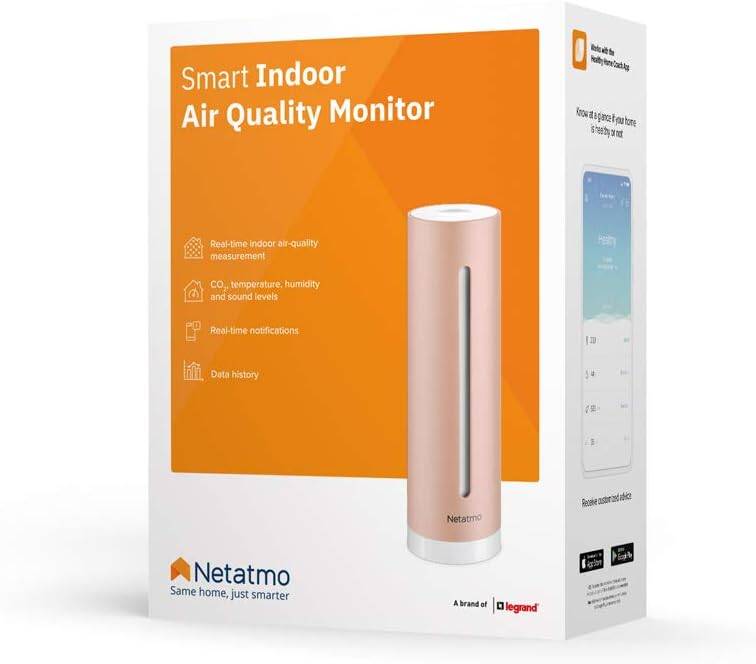
Monitors indoor temperature, humidity, and air quality in real time, alerting homeowners to conditions that increase condensation, mould, or water-damage risk during extended absences.
X-Sense Smart Home Security System

Wireless security system providing real-time alerts for intrusion, smoke, or fire, supporting insurer security expectations and ensuring immediate awareness of issues when a property is unoccupied.
A Simple Reality Check
If reviewing this checklist leaves you thinking, “We’d struggle to meet all of this while travelling for several weeks”, you’re not alone.
This is why many homeowners, including those without pets, engage professional housesitters to maintain:
- Continuous occupation
- Regular oversight
- Immediate response
- Insurance compliance
Clarify if your specific policy requires you to formally name a housesitter as a temporary resident or if their presence simply maintains "occupied" status.
Also, some insurers require notification for any trip over 30 days, even if you have a sitter, just to keep the file updated.
Aqara Door and Window Sensor

Discreet smart sensor monitors doors and windows, providing instant alerts if opened unexpectedly, helping maintain documented security oversight during travel or extended time away.
X-Sense Wi-Fi Water Leak Detector

Detects leaks instantly and sends alerts to your phone, reducing escape-of-water damage by enabling rapid response before minor faults escalate into costly insurance claims.
Illustrative Case Study
When Travel Triggers an Insurance Gap
A couple left their fully furnished country home for a seven-week overseas holiday. The house was insured, locked, and in good condition. They set the heating low and asked a neighbour to check in from time to time.
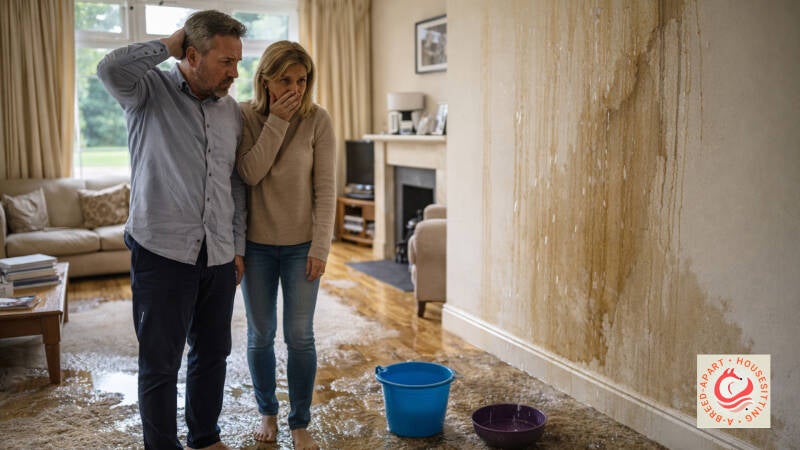
When they returned, something smelled off. By the next morning, they’d found the source: a burst pipe in the upstairs bathroom. It had been leaking for days—soaking carpets, damaging floorboards, and staining the walls below.
They filed an insurance claim, expecting it to be straightforward.
During the assessment, the insurer asked how long the home had been unoccupied. That question ended up mattering more than the leak itself.
According to the policy, the house was considered “unoccupied” after 30 consecutive days without regular use. Once that threshold passed, their escape-of-water cover came with extra conditions—like documented inspections—that hadn’t been met.
The insurer agreed the damage happened as described. There was no suggestion of negligence. But because the home was technically unoccupied when the damage occurred, the payout was reduced. The couple had to cover part of the repairs themselves.
- They were insured.
- They travelled as planned.
- But their home wasn’t fully covered.
Why This Matters
Insurance claims are based on the conditions at the time of the damage—not when it's found. Long trips can quietly change those conditions.
How This Could Have Been Avoided
A live-in housesitter could have made all the difference. Their presence would’ve kept the home officially “occupied,” likely spotting the problem early and helping preserve full insurance coverage.
For homeowners taking extended trips, a professional housesitter isn't just peace of mind. It's a way to maintain your policy status, reduce risk, and avoid surprises when you return.
How to Use This Checklist
- Review it alongside your policy wording
- Clarify any uncertainties with your insurer before you travel
- Revisit it before each extended trip
Prepared for homeowners who value clarity, protection, and peace of mind while travelling.
Author Bio
Glenn Bauer, author of Housesitters Unleashed, specialises in house and pet sitting for rural homes across the Cotswolds, West Oxfordshire and Wiltshire. Together with his wife Mandy, he provides bespoke care grounded in experience, integrity, and absolute respect for privacy.

Add comment
Comments