

A dog owner can manage seasonal allergies in dogs by identifying triggers early, adjusting daily routines, and seeking timely veterinary guidance when symptoms persist.
If you live in the countryside or visit it often with your dogs, you’ll already know that they absolutely love the fresh air, open fields and hedgerows. Just like us though, exposure to the countryside comes with a higher exposure to pollen, grasses, mould spores and insects, all common causes of seasonal allergies.

As a professional housesitting couple, we regularly care for dogs across Wiltshire, the Cotswolds and West Berkshire. Seasonal allergies are one of the most common health issues our clients flag to us, particularly in spring and late summer, when scratching, licking and irritated skin can quickly become uncomfortable for both dog and owner.
This guide is written for dog owners who want clear, practical advice, without fuss, on recognising and managing seasonal allergies in their dogs.
Why Seasonal Allergies Are Common in the Countryside
Seasonal allergies, sometimes referred to as atopic dermatitis, occur when a dog’s immune system overreacts to environmental allergens. In rural areas, exposure is often more intense due to:
- High pollen counts from grasses, trees and crops
- Damp environments encouraging mould and mildew
- Increased contact with insects, including fleas and mites
- Daily walks through long grass, woodland and farmland
Unlike food allergies, which tend to be year-round, seasonal allergies often follow predictable patterns linked to the farming and growing calendar.
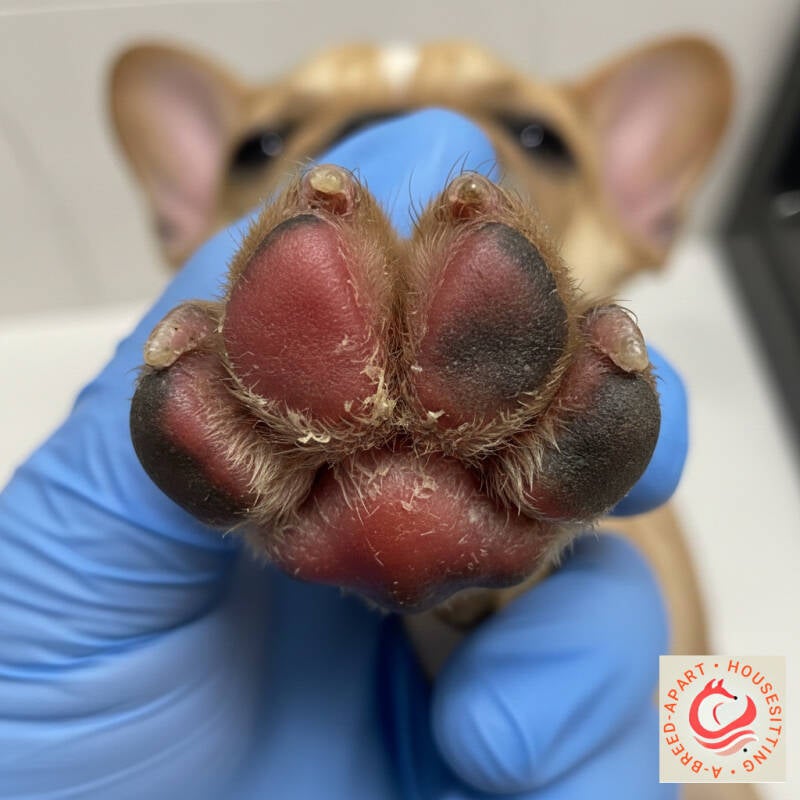
What Are the Common Symptoms of Seasonal Allergies in Dogs?
The most common signs are skin-related and behavioural.
Dogs rarely sneeze like humans with hay fever. Instead, allergies usually show through the skin and ears.
Typical symptoms include:
- Excessive scratching or rubbing against furniture
- Licking or chewing paws, legs or belly
- Red, inflamed or flaky skin
- Recurrent ear infections or head shaking
- Hair loss in specific areas
- Restlessness, particularly after walks
If left unmanaged, constant scratching can break the skin, leading to infections that require veterinary treatment.
What Triggers Seasonal Allergies in Rural Dogs?
Countryside allergens differ from urban ones in both type and concentration.
Common rural triggers include:
- Grass pollen – especially ryegrass and meadow grasses
- Tree pollen – birch, oak and ash are frequent culprits
- Weeds and wildflowers – nettles, ragweed and dock
- Mould spores – common in damp barns, sheds and leaf litter
- Insects – flea saliva is a major allergen even with low infestation
Dogs that spend long periods outdoors, work on farms, or walk daily through fields are naturally more exposed.
How Can Pet Owners Reduce Allergy Exposure at Home?
Small routine changes can significantly reduce allergen build-up.
Practical steps include:
- Wipe paws and legs after walks using a damp cloth
- Wash bedding weekly at a high enough temperature to remove pollen
- Vacuum floors and sofas regularly, especially during peak seasons
- Avoid letting dogs lie on freshly cut grass
- Keep dogs out of barns or damp outbuildings where mould thrives
These steps don’t eliminate allergens, but they reduce the overall load on a dog’s immune system.
Should You Change Walks and Exercise Routines?
Yes, timing and location matter more than distance.
During high pollen seasons:
- Walk dogs early morning or late evening, when pollen levels are lower
- Avoid recently mown fields and hay meadows
- Choose woodland tracks over open pasture during peak grass pollen months
- Keep dogs on paths rather than allowing free running through long grass
From our experience as a mature, professional housesitting couple, small changes to walk timing alone often reduce symptoms within days.
When Should You Speak to a Vet?
Persistent symptoms should always be professionally assessed.
Contact your vet if:
- Scratching or licking continues for more than two weeks
- Skin becomes broken, infected or oozing
- Ear infections recur
- Your dog seems unsettled or uncomfortable despite routine changes
Veterinary options may include antihistamines, medicated shampoos, dietary support, or in more severe cases, immunotherapy.
Are Some Breeds More Prone to Seasonal Allergies?
Yes, genetics play a significant role.
Breeds commonly affected include:
- Labradors and Golden Retrievers
- West Highland Terriers
- Spaniels
- Bulldogs and French Bulldogs
Mixed-breed dogs can also develop allergies, particularly if they inherit sensitive skin.

A-Breed-Apart Insights
From our countryside housesitting experience:
- Around two-thirds of dogs showing allergy symptoms reacted most strongly after walks through long grass rather than woodland
- Paw-focused symptoms were more common than full-body itching
- Many owners initially mistook allergies for behavioural stress
These observations highlight how closely environment and routine affect allergic reactions.

Step-By-Step: Managing Seasonal Allergies in Dogs
- Observe patterns – note when symptoms appear and after which activities
- Reduce exposure – adjust walks, wipe paws, clean bedding
- Maintain parasite control – fleas worsen allergic responses
- Support skin health – diet and gentle grooming matter
- Seek veterinary advice early if symptoms persist
Consistency matters more than quick fixes.
Marketplace: Practical Products for Allergy-Prone Dogs
This post contains affiliate links. If you purchase through these links, I may earn a commission at no additional cost to you.
Portable Dog Paw Cleaner

Portable paw cleaner uses gentle bristles and water to remove mud, grit, and allergens quickly, keeping floors clean and reducing the cause of paw irritation after walks in all weathers and outdoor conditions.
>>> See it on Amazon
Hypoallergenic Dog Shampoo

A gentle, soap-free shampoo designed for sensitive skin, helping cleanse thoroughly while maintaining natural oils, leaving your dog’s coat clean, soft, and comfortable after regular countryside walks.
Natural Dog Gel Ointment

A fast-absorbing natural gel suitable for use on minor skin irritations, bites and grazes, helping keep the area clean and comfortable during everyday outdoor adventures.
FAQs: Seasonal Allergies in Dogs
What time of year are dog allergies worst in the countryside?
Spring and late summer are the most common periods due to grass and weed pollen peaks.
Can seasonal allergies go away on their own?
Mild cases may settle when pollen levels drop, but recurring symptoms usually return annually without management.
Are antihistamines safe for dogs?
Some are, but only under veterinary guidance. Never give human medication without advice.
Do dogs grow out of seasonal allergies?
Most do not. Allergies are typically managed rather than cured.
Should housesitters be told about dog allergies?
Yes. Clear written instructions help ensure routines and preventative care are followed consistently.
Related Reads
If you found this guide useful, you may also want to read:
Why Does My Dog Lick Itself So Much?
Excessive licking signals allergies, stress, or skin discomfort; this guide explains common causes and practical steps countryside owners can take.
Winter Paw Care & Pet Safety in the Countryside: Your Essential Guide for Dogs
Cold, wet conditions challenge dogs’ paws; this guide covers protection, injury prevention, and safety routines for countryside walks and living.
The Top 5 Orthopaedic Dog Beds for Active & Show Breeds
Active and show dogs need proper joint support; this article reviews orthopaedic beds that improve comfort, recovery, and long-term mobility.
Seasonal allergies are an unfortunate side effect of countryside living for many dogs, but they are manageable with observation, routine adjustments and professional support when needed.
Clear instructions, consistent care and early action make a noticeable difference, whether you are home or entrusting your animals to a mature, professional housesitting couple who understands rural environments and canine wellbeing.
Is there a specific seasonal health concern you’d like us to cover next? You’re welcome to share this guide with friends, neighbours or local dog-walking groups.
Earth Rated Dog Poo Bags

Guaranteed Leak Proof and Extra Thick Waste Bag Refill Rolls For Dogs, Lavender Scented, 270 Count
Author Bio
Glenn Bauer, author of Housesitters Unleashed, specialises in house and pet sitting for rural homes and estates across the Cotswolds, West Oxfordshire and Wiltshire. Together with his wife Mandy, he provides bespoke care for pets and properties, combining experience, integrity, and absolute respect for privacy.
Read Glenn & Mandy’s story Here

Add comment
Comments