

A cat may suddenly start meowing more due to health changes, stress, ageing, or disruption to routine, and the behaviour should always be assessed calmly and methodically.

Meowing, yowling, and other forms of vocalisation can all signal changes in a cat’s wellbeing.
For many homeowners, particularly those used to a quiet, independent cat, a sudden increase in meowing can feel unsettling. The change often happens gradually at first, a call at night, persistent noise near feeding time, or vocalising from rooms that were previously silent, until it becomes impossible to ignore.
As a mature, professional housesitting couple, Glenn and Mandy regularly care for cats in established rural homes where consistency and routines matter. One of the most common concerns we hear is, “She’s never been noisy before, but lately she won’t stop meowing.”
In most cases, this behaviour is not attention-seeking or mischief. It is communication. The key is understanding why the change has occurred, and whether it points to something temporary, environmental, or medically significant.
When Vocalisation Becomes Cause for Concern
Cats vocalise for many reasons, but a sudden or marked change is different from a naturally chatty personality. Older cats, indoor cats, and cats experiencing subtle changes to health or environment are particularly prone to developing new vocal habits.
For homeowners who value calm routines, security, and continuity, unexplained changes in behaviour deserve attention, not dismissal. Vocalisation is often the first visible sign that something is not quite right.
Common Reasons a Cat May Suddenly Vocalise More
Health Issues (Often the Most Overlooked Cause)
Pain or discomfort is a leading cause of increased vocalisation, particularly in older cats who instinctively hide illness.
Common medical triggers include:
- Arthritis or joint pain
- Dental disease
- Hyperthyroidism
- Kidney disease
- High blood pressure
- Gastrointestinal discomfort
Cats may vocalise when moving, using the litter tray, or at night when discomfort becomes more noticeable.
Key point: Any sudden increase in vocalisation, especially in senior cats, warrants a veterinary check.
Authoritative guidance from the RSPCA consistently highlights behavioural change as an early indicator of illness.
Stress, Anxiety, or Environmental Change
Cats thrive on predictability. Even subtle changes can trigger anxiety-related vocalisation.
Common stressors include:
- Furniture rearrangement
- Building work or new neighbours
- Changes in feeding routine
- New pets or visiting animals
- Owners travelling more frequently
In rural settings, we often see increased vocalisation linked to external noises such as livestock movement, storms, or unfamiliar night activity.
The Blue Cross notes that cats often respond vocally to environmental stress long before other behavioural changes appear.
Attention-Seeking (Often Reinforced Accidentally)
Cats are observant. If increased vocalisation is met with immediate response, feeding, or reassurance, the behaviour can quickly become learned.
This is especially common when:
- Owners work from home more
- Feeding times shift
- Night-time calling is rewarded with interaction
While the underlying need may be legitimate initially, the behaviour can persist even after the trigger has passed.
Hunger or Dietary Changes
A cat that feels persistently hungry may vocalise excessively, particularly around kitchens or feeding areas.
Potential causes include:
- Inadequate portion size
- Reduced nutrient absorption
- Medical conditions such as hyperthyroidism
- Changes in food formulation
Cats with medical hunger often vocalise despite being fed, which can be misleading.
Cognitive Decline in Older Cats
Senior cats can experience a condition similar to dementia, often referred to as feline cognitive dysfunction.
Signs include:
- Loud yowling at night
- Apparent disorientation
- Calling out in empty rooms
- Altered sleep patterns
These cats are not “being difficult.” They may be confused, anxious, or struggling to orient themselves, particularly in low light.
Night-time vocalisation is especially common, as familiar cues are reduced.
Catit Senses Activity Circuit
A Thoughtful Solution for Indoor Cat Enrichment

The Catit Senses Activity Circuit is designed to meet a cat’s instinctive need to stalk, chase, and engage, without relying on constant human involvement. For indoor cats, particularly those prone to boredom or night-time restlessness, this track-based system provides structured, purposeful stimulation throughout the day.
The enclosed ball moves unpredictably through the circuit, encouraging focused play that mirrors natural hunting behaviour. This helps channel excess energy constructively, reducing frustration-related behaviours such as excessive meowing, pacing, or attention-seeking. The modular design allows homeowners to reconfigure the layout easily, keeping the experience fresh without cluttering the home.
Unlike electronic toys, the Activity Circuit is quiet, durable, and requires no batteries, making it suitable for overnight use or calmer households. It supports both physical movement and mental engagement, promoting healthier routines and improved contentment. A simple, well-considered addition for owners who value practical enrichment and a settled home environment.
Hormonal or Reproductive Factors
Unneutered cats are far more vocal, particularly:
- Females in heat
- Males responding to nearby females
This vocalisation is often loud, repetitive, and directional, for example at doors or windows.
If neutering status has changed or nearby animals have been introduced, this may explain a sudden onset.
Sensory Decline (Sight or Hearing Loss)
Cats losing vision or hearing may vocalise more as a form of reassurance or location signalling.
You may notice:
- Calling out when alone
- Increased vocalisation in unfamiliar rooms
- Startling easily
This is particularly common in older cats who otherwise appear physically well.
Step-by-Step: What Homeowners Should Do First
Step 1: Rule Out Medical Causes
- Book a veterinary check if vocalisation is new or escalating
- Request blood work for senior cats
- Mention behavioural change specifically, not just noise
Step 2: Review Recent Changes
Ask yourself:
- Has anything in the home changed?
- Has routine shifted, even slightly?
- Have feeding times or quantities altered?
Step 3: Observe Patterns
Note:
- Time of day
- Location
- Triggers (movement, feeding, darkness, absence)
Patterns provide valuable diagnostic clues.
Step 4: Avoid Reinforcing the Behaviour
- Respond calmly, not immediately
- Maintain consistent routines
- Avoid feeding “on demand” unless advised
Step 5: Adjust the Environment
- Night lights for senior cats
- Predictable feeding schedules
- Quiet, secure resting spaces
In summary, approached calmly and methodically, these steps help distinguish between a temporary disruption and a genuine welfare concern. Small observations, made early, often prevent larger issues later. Consistency, attentiveness, and timely action remain the most reliable tools any responsible homeowner can use.
Marketplace: Practical Products That May Help
Some of the links above are affiliate recommendations. They help support the continued publication of our guides and the practical pet and home care advice we provide, at no additional cost to the reader.
Plug In Pheromone Diffuser
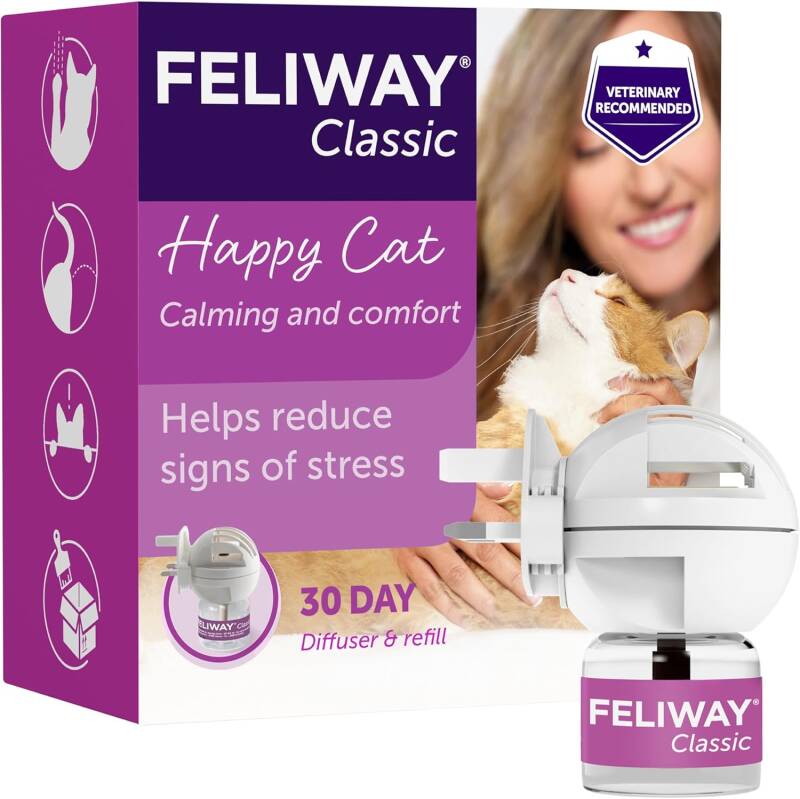
Helps reduce feline stress by releasing calming pheromones, supporting settled behaviour during change, travel, or absence, without sedation, scent, or ongoing effort from owners daily.
Pet Heating Pad with Auto Shut Off

Provides steady, thermostatically controlled warmth with automatic shut-off, supporting senior cats, easing joint stiffness, and offering quiet overnight comfort without overheating concerns.
Catit Senses Activity Circuit
Encourages natural hunting behaviour through rolling ball tracks, keeping indoor cats mentally stimulated, physically active, and constructively occupied, especially during quiet evenings or poor weather.
Your Questions Answered
Why is my cat yowling at night all of a sudden?
A cat may yowl at night due to pain, cognitive decline, anxiety, or disorientation, especially in older cats.
Should I ignore my cat when it vocalises?
You should not ignore sudden vocalisation without investigation, but avoid reinforcing the behaviour once medical causes are ruled out.
Is excessive meowing a sign of illness?
Yes. Behavioural change, including increased vocalisation, is often an early sign of illness in cats.
Can stress really make a cat that noisy?
Yes. Cats often express stress vocally, particularly when routines or environments change.
When should I contact a vet?
If vocalisation is sudden, worsening, or accompanied by changes in appetite, mobility, or litter habits, contact a vet promptly.
A suddenly vocal cat is not being awkward. It is communicating in the only way it knows how.
For homeowners who value steadiness, discretion, and thoughtful care, the most effective response is neither panic nor dismissal, but quiet observation paired with practical action.
If your cat has become more vocal, start with health, review routine, and adjust the environment with care. In most cases, understanding the cause restores calm on both sides.
Has your cat’s behaviour changed recently, and did you uncover a clear cause? You’re welcome to share your experience or pass this guide on to a fellow cat owner.
Related Reads
If you found this guide helpful, you may also wish to read:
How to Spot and Reduce Stress in Your Cat
A practical, welfare-led article helping owners recognise subtle stress signals and reduce anxiety through environment, routine, and observation.
Understanding Cat Body Language: The Ultimate Guide for Cat Owners
A cornerstone behavioural piece covering posture, tail movement, facial cues, and what cats are communicating day to day.
Preparing for a Long Trip: Finding the Perfect Care for Your Cat
Highly relevant to ABA’s core offering, this article focuses on continuity of care, routine preservation, and choosing the right in-home solution.
Indemnity Statement:
This article is provided for general informational purposes only and does not replace professional veterinary advice. Always consult a qualified vet regarding changes to your pet’s health or behaviour.
Author Bio
Glenn Bauer, author of Housesitters Unleashed, is a trusted professional specialising in house and pet sitting for rural homes and estates across the Cotswolds, West Oxfordshire and Wiltshire. Together with his wife Mandy, he provides bespoke care for pets and properties, combining experience, integrity, and absolute respect for privacy.
Read Glenn & Mandy’s story Here

Add comment
Comments