

A homeowner can understand whether a Working Cocker Spaniel suits their countryside lifestyle by assessing the breed’s energy needs, temperament, training requirements, and typical health considerations.
If you live in the countryside and appreciate a capable, energetic dog, the Working Cocker Spaniel may already be on your radar. These compact gundogs are known for their intelligence, stamina, and strong desire to be involved in daily routines.
As a mature, professional housesitting couple, we frequently support homeowners who share their lives with Working Cockers; their enthusiasm is infectious, but they do require structure. For rural households, especially those with active outdoor habits, the Working Cocker can be an excellent fit, provided expectations are realistic and routines are consistent.
Why Does This Breed Need Special Consideration?
The Working Cocker Spaniel differs notably from its Show Cocker cousin. Its working heritage gives it sharper instincts, higher energy output, and a need for clear purpose.
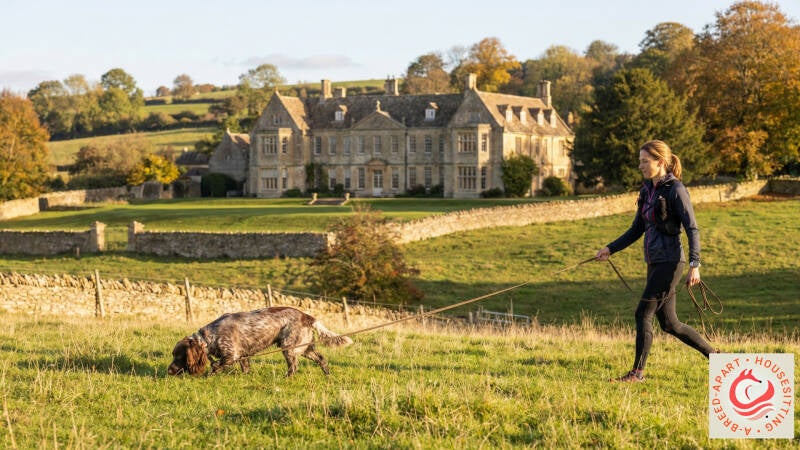
For countryside homeowners, this can be a positive match: access to fields, woodlands, footpaths, and a predictable household rhythm helps these dogs thrive. Without this, their energy can quickly become challenging.
Understanding the breed’s baseline needs helps ensure security at home, calmer behaviour outdoors, and a more manageable daily routine.
What Is the Temperament of a Working Cocker Spaniel?
A Working Cocker Spaniel is typically affectionate, intelligent, and intensely people-focused. Many follow their owners closely around the home, which is why they’re often described as “velcro dogs”.
They are also curious, quick-thinking, and confident problem-solving dogs with a strong drive to chase and flush wildlife. This means:
- They need firm boundaries
- They respond well to structured, reward-based training
- They rarely “outgrow” their puppy-like energy
Their enthusiasm is endearing, but only when paired with clear direction.
What Kind of Home Life Suits a Working Cocker Best?
A Working Cocker Spaniel is best suited to an active rural household. Homeowners who enjoy daily walks, varied terrain, and working-style outdoor activities often find the breed a natural match. The ideal environment includes:
- At least two hours of varied daily exercise
- A secure garden (they can be escape-prone when they catch a scent)
- Regular companionship; they do not cope well with long periods alone
- Opportunities for water play, woodland routes, and open field
They can adapt to smaller homes or village settings, but not without meaningful enrichment.
What Health Issues Should Owners Watch For?
Working Cockers are generally hardy, living 12–15 years, but several conditions are common:
- Ear infections due to pendulous ears
- Progressive Retinal Atrophy (PRA)
- Hip dysplasia
- Skin allergies
- Rare behavioural misdiagnosis, often referred to as “rage syndrome”, though most cases are linked to breeding or anxiety rather than a true neurological disorder
Reputable breeders screen for PRA and hip concerns.
Regular vet checks, grooming, and ear care routines make day-to-day management straightforward.
Download Our Practical Step-By-Step Guide: Daily Routine for a Working Cocker Spaniel
How Much Exercise and Stimulation Does a Working Cocker Need?
A Working Cocker Spaniel usually needs a minimum of two hours of exercise daily, in addition to mental work. This combination prevents boredom, reduces destructive behaviours, and helps the dog remain calm at home.
Examples include:
- Scentwork exercises
- Retrieval games
- Agility or structured gundog-style drills
- Woodland and field walks
- Puzzle feeders
This breed thrives on instruction and purposeful tasks.
Are Working Cockers Good Family Dogs?
A Working Cocker Spaniel can be an excellent family companion when well-trained and supported by consistent routines.
They usually:
- Interact well with children
- Socialise reliably with other dogs
- Tolerate cats when introduced early
However, they do not manage isolation well. Separation anxiety is common when left alone routinely.
Homes where someone is present most of the time, or where the dog can accompany the household through the day, offer the best conditions for this breed.
What Mistakes Do First-Time Working Cocker Owners Commonly Make?
Based on homeowner reports and repeated housesitting experiences, the most frequent mistakes are:
- Underestimating the breed’s exercise requirements
- Relying on walks alone, instead of providing mental stimulation
- Allowing boundaries to slip because the dog is small and expressive
- Inconsistent training between household members
- Neglecting ear care, leading to preventable infections
How Important Is Socialisation for Working Cockers?
Socialisation is essential for building a confident, stable Working Cocker Spaniel. Effective socialisation includes exposure to:
- Dogs and puppies
- Cats and livestock
- People in varied environments
- Vehicles, countryside machinery, and unfamiliar noises
The goal is not excitement; the goal is steady, predictable behaviour in different settings.
Marketplace
Vivifying Long Line Dog Leash, 10m/32ft

A reliable 10-metre long line that supports safe recall training for energetic breeds. Ideal for countryside walks where controlled freedom and steady progress are essential.
Tweed Barlaston Hunting Shooting Waterproof Jacket

Practical countryside clothing built for British weather. Ideal for long walks, rural housesits, and managing active dogs in all seasons.
ICF | Otoact | Cat And Dog Ear Cleaner

A straightforward ear-cleaning solution designed to help prevent wax build-up and discomfort in breeds prone to ear issues, including Working Cocker Spaniels.
LickiMat Yoggie Pot

A practical tool for calming routines and slow feeding. Freezable, easy to clean, and excellent for reducing overexcitement during busy parts of the day.
This post contains affiliate links. If you purchase through these links, I may earn a commission at no additional cost to you
Frequently asked questions
This short FAQ section answers the questions homeowners most often ask about managing Working Cocker Spaniels, providing clear, direct guidance to support daily routines, training, and home life with this energetic breed.
FAQ: Are Working Cocker Spaniels hard to manage?
A Working Cocker Spaniel is manageable when given structured exercise, consistent training, and daily mental stimulation.
FAQ: How much daily exercise does a Working Cocker need?
Most require at least two hours of varied activity across the day, not including enrichment tasks.
FAQ: Do Working Cockers get along with cats?
They can, but early, careful introductions and supervision are essential.
FAQ: Are Working Cockers suitable for older homeowners?
Yes, provided the homeowner enjoys active rural walking or has support from family, walkers, or a mature, professional housesitting couple when away.
FAQ: Can Working Cockers live in a small home?
They can if exercise and enrichment are reliable and sufficient.
The Working Cocker Spaniel is a capable, affectionate breed for countryside households who enjoy an active lifestyle and appreciate a dog with genuine purpose. With the right routines, consistent training, and thoughtful management, they settle well into rural life and become reliable, enjoyable companions.
If you’d like support caring for a Working Cocker while you're travelling, we’re here to help. As a mature, professional housesitting couple, we provide structured routines and calm management tailored specifically to working breeds.
Is there another spaniel or working-breed question you’d like covered in a future guide? You’re welcome to let us know.

This article offers general guidance only and does not replace the advice of a qualified veterinary professional. If your dog displays health or behavioural issues, please consult your vet or accredited behaviourist.

Author Bio
Glenn Bauer, author of Housesitters Unleashed, is a trusted professional specialising in house and pet sitting for rural properties across the Cotswolds, West Oxfordshire, and Wiltshire. Alongside his wife Mandy, he provides dependable care for pets and rural homes, with complete respect for privacy and security.
Add comment
Comments