

Every new year invites predictions, but one trend is already taking shape: 2026 will be the year of the professional housesitter. As more homeowners travel for longer periods, embrace hybrid work, or divide their time between multiple properties, the need for trained, insured, and trusted housesitters is accelerating.
This shift is especially notable in rural England, where properties are more complex, pets often have structured routines, and home security expectations are higher than ever. Today it’s not simply about feeding the Labrador and watering the ferns; it’s about professional stewardship, reassurance, and continuity.

How Housesitting Evolved From Favour to Profession
Housesitting once relied on neighbours, relatives, or casual acquaintances. But rural homes — with their heating systems, livestock, high-value contents, and multi-pet households — now require a steadier hand.
Following the rise in pet ownership after 2020 and increased international travel, homeowners began to see the value of experienced individuals rather than well-meaning volunteers. The professional housesitter emerged: vetted, insured, experienced, and accountable.
What Is a Professional Housesitter — and Why Will 2026 Be Their Breakthrough Year?
A professional housesitter is a trained, insured, and trusted individual who provides full-spectrum home stewardship, not casual favour-based care. In 2026, rising expectations around pet welfare, rural security, and homeowner privacy will push the role into the mainstream.
A new category of sitter, the Lifestyle Guardian, is redefining the sector. These sitters approach a home as an integrated ecosystem rather than a place to sleep. In 2026, this approach becomes the norm, not the exception.
Professional housesitters bring capabilities such as:
- Caring confidently for multi-pet households
- Monitoring heating, alarms, and CCTV
- Liaising with gardeners, tradespeople, and neighbours
- Maintaining the lived-in appearance essential for rural security
Pro-tip: refer to our Essential Homeowner Checklist for a Perfect House Sit for a detailed preparation guide.

How Are Pets Driving the Shift Toward Professional Housesitters?
With nearly 60% of UK households owning a pet (RSPCA), homeowners increasingly seek sitters with training in behaviour, diet, medication, and animal first aid — leading to growing demand for professional, qualified care.
Pets are the beating heart of this transformation. Holiday planning used to centre on flights and luggage; now it includes behavioural needs, exercise patterns, anxiety triggers, medication routines, and emergency planning.
Professional housesitters often bring:
- Pet first aid training
- Experience with breed-specific behaviour
- Confidence with anxious or reactive pets
- Ability to manage routines calmly and consistently
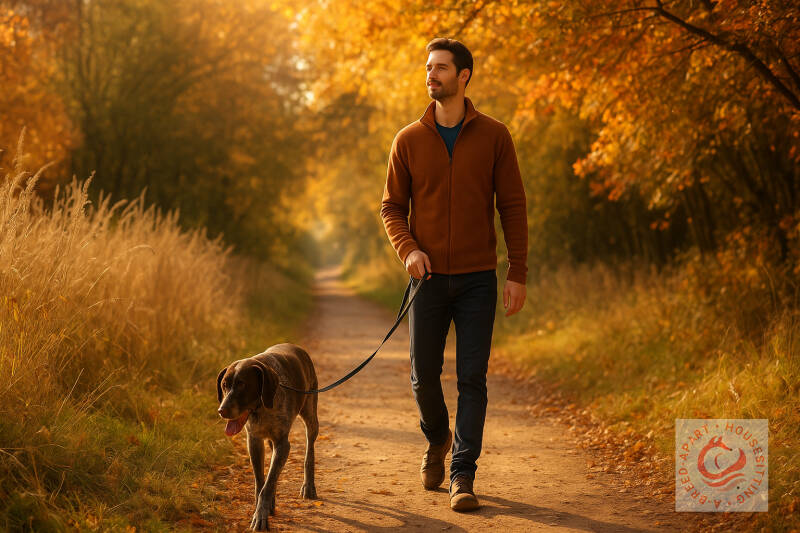
How Does a Professional Housesitter Improve Rural Home Security?
A professional housesitter adds a visible, trustworthy presence; lights on, cars in the drive, bins handled, significantly reducing rural crime risks while managing alarms, gates, and emergency contacts.
Rural thefts and opportunistic break-ins have risen steadily in recent years. Homeowners increasingly understand that an empty house, even with good locks, is vulnerable.
A trained housesitter provides:
- Daily occupancy signals
- Alarm, CCTV, and gate system oversight
- Immediate action in case of leaks, power loss, or break-ins
- Communication with local authorities or neighbours if needed
How Is Trust Technology Changing Housesitting in 2026?
Digital verification, enhanced background checks, and video introductions are becoming expected, making housesitting more transparent and secure for homeowners and sitters alike.
Video meet-and-greets are now standard practice, allowing homeowners to assess compatibility before handing over keys.
In 2026, expect:
- Verified digital profiles
- Documented references
- Background checks
- Real-time communication tools
These strengthen trust and set clear expectations long before departure day.
Why Sustainability Is Making Homeowners Choose Local, Professional Housesitters
Eco-conscious homeowners increasingly opt for local sitters to reduce travel impact, support regional communities, and benefit from local knowledge of rural routines.
Local housesitters, especially those across the Cotswolds, Oxfordshire, West Berkshire and Wiltshire, are seeing demand rise for practical reasons:
- Lower travel emissions
- Familiarity with rural environments
- Knowledge of local vets, walking routes, tradespeople
- Ability to respond quickly if plans change
Housesitters embracing sustainable cleaning products, low-impact travel, and energy-aware routines will stand out in 2026.
Travelling?
If you’re planning extended travel in 2026, make it the year you partner with a professional housesitter. Your home deserves more than a favour, it deserves reliable stewardship.
Take time to:
- Meet your sitter in person or via video call.
- Share a comprehensive home and pet care checklist.
- Choose someone with verifiable experience, insurance, and training.
At A-Breed-Apart, we specialise in professional housesitting across the Cotswolds and South West England — offering security, discretion, and the warmth your home and pets deserve.
Explore our services at www.a-breed-apart.co.uk or reach out to arrange an introduction call.
Engagement Call
Have you ever hired a professional housesitter? What made the experience memorable or nerve-wracking? We’d love to hear your stories in the comments below or on our Facebook page.
FAQ: Professional Housesitting in 2026
1. What qualifications should a professional housesitter have?
Ideally: pet first aid training, references, insurance, background checks, and experience with multi-pet households or rural homes.
2. How is a professional housesitter different from a casual sitter?
A professional sitter offers structured routines, security oversight, verified training, and reliability; casual sitters may lack insurance or experience.
3. Are professional housesitters insured?
Most are and homeowners should always request confirmation of public liability and pet care insurance.
4. How much does a professional housesitter cost in the UK?
Payment varies widely depending on region and duties. Many sitters offer care in exchange for accommodation, while professional services operate on a paid model.
5. How do I prepare my home for a professional housesitter?
Share written routines, alarm codes, vet details, bin schedules, and home quirks. (Internal link recommended: Essential Homeowner Checklist for a Perfect House Sit

Who We Are
Glenn and Mandy are a mature, professional housesitting couple providing elevated, privacy-conscious home and pet care across the Cotswolds, Oxfordshire, West Berkshire, and Wiltshire. Their service emphasises security, discretion, and tailored routines aligned with each household.
Add comment
Comments