

A pet owner can better protect their dog or cat by understanding England’s Pet Abduction Act, recognising the limits of current law, and following practical prevention and response steps.
For many households, a dog or cat is not simply an animal that lives alongside them, but a constant presence woven into daily routines, security, and family life. In recognition of that bond, England has taken a meaningful step forward with the introduction of the Pet Abduction Act 2024.
However, alongside this new legislation sits an equally important, but often misunderstood, campaign known as Fern’s Law. While frequently mentioned in the same breath, the two are not the same. One is law; the other remains a proposal.
As a mature, professional housesitting couple working closely with security-conscious homeowners, we believe clarity matters. This guide explains what the law currently does, what Fern’s Law is seeking to change, and how responsible pet owners can act now to safeguard their animals with confidence.

Why Pet Abduction Required Legal Reform
Until recently, dogs and cats stolen in England were dealt with under the Theft Act 1968, where animals were legally treated as property. This approach failed to reflect:
- The emotional harm caused to families
- The welfare risks to the animal
- The seriousness of organised pet theft
The rise in dog theft during and after the pandemic exposed these shortcomings and prompted legislative change.
What the Pet Abduction Act 2024 Does (Current Law)
It Creates Specific Criminal Offences
The Act introduces two new offences:
- Dog abduction
- Cat abduction
This removes pets from the general theft category and recognises them as sentient beings rather than replaceable property.
It Strengthens Penalties
Courts can now impose:
- Up to five years’ imprisonment
- A fine, or
- Both
This provides a clearer deterrent and allows sentencing to reflect emotional harm.
It Improves Crime Recording
Pet abduction is now a distinct offence, enabling better police data, trend tracking, and resource allocation.
What it does not do:
It does not impose new duties on vets, rescue centres, or third parties to scan microchips or verify ownership.
What Fern’s Law Is (Proposed, Not Yet Law)
Fern’s Law Explained Clearly
Fern’s Law is a campaigning proposal, not enacted legislation.
Its primary goal is to make it mandatory for:
- Veterinary practices
- Rescue centres
- Relevant animal professionals
to scan a pet’s microchip and take reasonable steps to verify lawful ownership before treatment, rehoming, or transfer.
Why It Exists
The proposal arose after real cases where stolen dogs were:
- Treated by vets
- Rehomed by rescues
- Sold on
All without microchips being checked or ownership questioned.
Current Position
- There is no legal obligation to scan a microchip in every case
- Scanning is best practice, not law
Fern’s Law aims to close this loophole
Why This Matters to Responsible Pet Owners
Understanding the boundary between law and proposal prevents complacency. While penalties have increased, prevention and rapid response remain the owner’s responsibility.
In our professional experience, the most successful recoveries occur when owners act immediately, methodically, and with documented proof of ownership.
Marketplace
This site contains affiliate links to products. We may receive a commission for purchases made through these links at no additional cost to you. As Amazon Associates, we earn from qualifying purchases.
Tractive Smart Dog Tracker
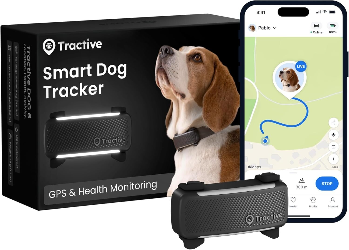
Reliable GPS tracking for countryside adventures, giving homeowners reassurance during off-lead walks. Ideal for dogs with selective recall and properties with open boundaries requiring dependable, real-time location awareness.
Apple AirTag Dog Collar Holder

A discreet backup tracking option for urban or semi-rural settings when combined with community networks.
Secure Locking Garden Gate Latch

A simple physical deterrent that significantly reduces opportunistic access to enclosed gardens.
Practical Steps You Can Take Now
1. Treat Microchipping as an Active Safeguard
- Confirm your contact details annually
- Keep registration certificates accessible
2. Maintain Clear Proof of Ownership
- Recent photographs showing you with your dog
- Veterinary records
- Purchase or adoption documentation

3. Reduce Opportunistic Risk
- Secure garden gates
- Avoid predictable walking routines
- Never leave dogs unattended outside shops or vehicles
4. Prepare a Stolen Dog Protocol
A calm, rehearsed response saves time when minutes matter. A one-page protocol follows below.
FAQs
Is Fern’s Law currently in force?
No. Fern’s Law is a campaign proposal and is not yet statutory.
Does the Pet Abduction Act require vets to scan microchips?
No. The Act focuses on criminal offences and sentencing, not veterinary procedures.
Should I still ask my vet to scan my dog’s microchip?
Yes. While not mandatory, responsible practices will scan on request and during annual checks.
England’s Pet Abduction Act represents progress, but legislation alone cannot replace preparedness. By understanding what the law does, supporting best practice, and having clear protocols in place, pet owners retain the strongest defence.
If this article has been helpful, you may also wish to read:
Download our Stolen Dog Protocol for free here
Recent Stolen Dog Statistics (UK)
Scale of the problem
-
In 2024 an estimated 1,808 dogs were stolen in the UK or roughly five dogs every day — according to insurer data. DLG Corporate Corporate Website
-
Over the past decade (2014–2024), around 23,430 dogs have been reported stolen to the police, with only about 21 % (≈5,005) reunited with their owners. Stolen And Missing Pets Alliance
-
Some reports show that prior to 2024, the number of dogs stolen peaked in 2021 with ≈2,760 dogs taken. Stolen And Missing Pets Alliance
📌 Recovery rates remain low:
Only around one in five stolen dogs is recovered and returned, meaning many owners never see their pet again. Stolen And Missing Pets Alliance
📌 Breed trends:
Popular and expensive breeds such as French Bulldogs, English Bulldogs, Staffordshire Bull Terriers, Border Collies, Rotweilers and Chihuahuas feature high on theft lists, often because of both popularity and resale value. Pet Drugs Online+1
Author Bio
Glenn Bauer, author of Housesitters Unleashed, specialises in professional house and pet sitting for rural homes across the Cotswolds, West Oxfordshire and Wiltshire. Together with his wife Mandy, he provides bespoke care rooted in security, discretion, and trust.
https://www.a-breed-apart.co.uk/about
Add comment
Comments