

A homeowner can manage Christmas guests around their dog by controlling greetings, removing pressure from first interactions, and setting clear boundaries that protect both people and pets.
Christmas in the countryside often means a full house, muddy boots by the door, extra cars on the drive, and well-meaning guests eager to greet the dog before they’ve even taken their coat off. For many dogs, particularly those used to predictable routines, this sudden change can be unsettling.
As a mature, professional housesitting couple, Glenn and Mandy at A-Breed-Apart see first-hand how festive gatherings can unintentionally create stress for dogs and risk injury to guests. Most incidents don’t happen because a dog is “naughty”, but because humans move too fast, lean in, or misunderstand canine signals.
This guide explains how to manage Christmas visitors calmly and professionally, using structured first-meeting principles adapted from real-world dog handling experience, so everyone enjoys the season safely.

Why Christmas Is a High-Risk Time for Dogs
Christmas introduces unfamiliar people, noise, food smells, altered routines, and heightened excitement. Dogs experience all of this at once, often with little warning.
Common festive pressure points include:
- Guests arriving in quick succession
- Children running or shouting
- People leaning over dogs to stroke them
- Alcohol lowering human awareness
- Dogs losing access to quiet retreat spaces
Without clear structure, even a normally sociable dog can feel overwhelmed.
How Should Guests Greet a Dog at Christmas?
Guests should greet dogs by ignoring them initially and allowing the dog to approach in their own time.
This approach removes pressure and mirrors how dogs naturally gather information. It is the cornerstone of safe first meetings and is drawn directly from professional first-meeting protocols .
What to Tell Your Guests (Plain English Version)
Before guests arrive, tell them:
- “Please ignore the dog when you come in.”
- “Let them sniff you first if they choose.”
- “No bending over, reaching out, or staring.”
This may feel counter-intuitive to dog lovers, but it prevents most defensive reactions.
The Correct Way to Manage First Arrivals
The first five minutes matter most.
Step-by-Step Arrival Protocol
- Dog secured or on a loose lead
This prevents door-rushing and jumping. - Calm entry only
No shouting greetings, squealing, or crowding the hallway. - Dog ignored
No talking to, touching, or eye contact. - Allow sniffing
If the dog approaches, guests remain still and neutral. - Wait for relaxation signs
Soft body posture, disengaging, or choosing to move away.
Only once the dog is visibly settled should brief interaction be considered.
Why Ignoring a Dog Is Not Rude
Ignoring a dog gives them control, which builds trust.
Dogs assess safety through scent and movement. Forced interaction removes their choice, which increases anxiety. Allowing space communicates that nothing is being demanded of them.
This principle underpins professional first meetings with unfamiliar dogs and reduces defensive behaviours such as barking, growling, or snapping.
Should Guests Ever Initiate Contact?
Guests should only interact if the dog clearly invites it.
Signs of invitation include:
Returning repeatedly to the person
Loose, wiggly posture
Choosing to sit beside them
Even then, interaction should be:
Brief
Side-on, not face-on
Low-key, not enthusiastic

Managing Children and Dogs at Christmas
Children and dogs should never be left to manage interactions themselves.
Clear Rules for Children
- No hugging dogs
- No touching faces, ears, or tails
- No climbing on beds or crates
- No feeding scraps
Explain to children that the dog needs “quiet time” just like people do.
Using Safe Spaces Effectively
Every dog should have an escape option that guests cannot access.
Examples include:
- A gated room
- A crate with the door open
- A utility room with bedding
Make this space strictly off-limits to visitors. A dog that can retreat is far less likely to react.
Managing Over-Friendly Guests
Some guests insist, “Dogs love me.”
Your response should be a polite but firm:
“He’s happiest if he’s ignored at first. We do this for everyone’s safety.”
Reframe boundaries as routine, not personal.
Food, Alcohol, and Accidental Risk
Christmas food introduces hazards:
- Chocolate
- Grapes and raisins
- Fatty leftovers
- Alcohol
Keep dogs out of food preparation areas and brief guests not to feed anything, however small.
A-Breed-Apart Insights
- Dogs are most excitable within the first ten minutes of guest arrival.
- Calm arrivals reduce barking and hyper behaviour significantly.
- Dogs given their own space settle faster than dogs encouraged to “join in.”

Marketplace
Walk Thru Baby Safety Gate

Sturdy, pressure-mounted gate ideal for managing doorways and creating safe dog-only spaces during busy gatherings.
Pet Corrector Dog Trainer Twin Pack

Non-contact interruption tool useful for safely breaking over-excited behaviours without shouting or physical handling.
Adaptil Calm Home Diffuser

Clinically supported pheromone diffuser that helps dogs feel more settled during periods of household change and increased visitors.
This site contains affiliate links to products. We may receive a commission for purchases made through these links at no additional cost to you. As Amazon Associates, we earn from qualifying purchases.
Frequently asked questions
These frequently asked questions cover the most common issues homeowners face when hosting Christmas guests with dogs present, offering practical, experience-led guidance to keep everyone safe and settled.
Should I put my dog away when guests arrive?
Yes, many dogs cope better if initial greetings are managed behind a gate or lead until excitement levels drop.
Is it okay for guests to give treats?
Only if agreed in advance and handed indirectly, such as placing the treat on the floor without reaching toward the dog.
How can I explain rules without offending guests?
Frame rules as house routine: “This is how we do things to keep everyone safe.”
What if my dog growls at a guest?
Remove the dog immediately and reduce pressure. Growling is communication, not misbehaviour.
Are friendly dogs still at risk during Christmas?
Yes. Even sociable dogs can react unpredictably under stress, noise, and crowding.
Christmas should be relaxed for everyone in the house, including the dog. With clear expectations, controlled greetings, and respect for canine boundaries, most festive incidents are entirely avoidable.
Professional dog handling isn’t about control; it’s about structure. The same calm, pressure-free principles used by experienced handlers apply just as effectively in your own hallway on Christmas Day.
If you found this guide useful, you may also want to read:
- Fireworks & Pets: How to Keep Dogs and Cats Calm on Bonfire Night
- 7 Proven Ways to Get the Best Out of Your Dog’s ThunderShirt
- Preparing Your Home and Pets for a Housesitter
Do you brief your Christmas guests about your dog in advance, or manage it on the day? You’re welcome to share this guide with friends hosting festive gatherings of their own.
Author Bio
Glenn Bauer is a trusted professional specialising in house and pet sitting for rural homes and estates across the Cotswolds, West Oxfordshire, and Wiltshire. With extensive hands-on experience caring for dogs, cats, small livestock, and large, isolated properties, he provides a secure, privacy-conscious service noted for reliability and care.
Read more via Glenn and Mandy: The Journey Behind A-Breed-Apart.

8 Panel Puppy Pen with Door
If you're a pet owner looking for a safe, secure, and spacious playpen, the HOMIDEC Dog Pen might be exactly what you need. Whether you have a puppy, kitten, rabbit, or other small animal, this versatile enclosure provides a comfortable and confined space where they can play freely without getting into trouble.
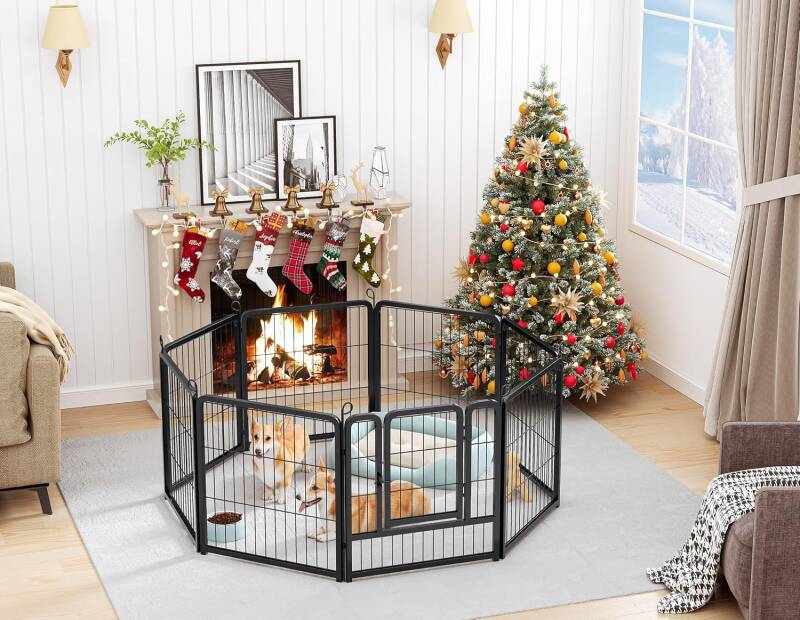
If you're a pet owner looking for a safe, secure, and spacious playpen, the HOMIDEC Dog Pen might be exactly what you need. Whether you have a puppy, kitten, rabbit, or other small animal, this versatile enclosure provides a comfortable and confined space where they can play freely without getting into trouble.
Add comment
Comments