

Introducing chickens into a garden already home to a dog or cat requires preparation rather than hopeful optimism. If your pets have never encountered poultry before, the safest results come from planning the introduction before the hens even arrive.
Understanding your dog or cat’s instincts is essential. Some pets adapt quickly with supervision; others, especially those with strong chase or prey-drive tendencies, may never be suitable to mix with poultry. Clear decisions made in advance, whether to integrate, manage closely, or keep species entirely separate, protect both pets and hens.
This guide outlines the steps to plan and manage safe introductions so that your chickens can settle in securely and your pets remain calm, controlled, and predictable around them.

1. Understanding Natural Instincts
Dogs
Depending on the breed and upbringing, dogs may see hens as:
- Playthings
- Prey
- Or simply another part of the household.
Terriers, sight-hounds and other working breeds will need careful supervision around your flock. While older or well-trained dogs may be calmer, careful assessment of individual temperament is still necessary.
Cats
Most adult cats quickly realise a full-size hen is not worth the trouble. Chicks, however, would be vulnerable to any farm cat used to pouncing on prey.
Chickens
Chickens instinctively fear fast movement and sudden noise. Their confidence builds slowly and consistent habituation is key.

2. Setting Up for Success
Before any introductions are made:
- Ensure your run and coop are fully secure, giving hens a safe space to retreat.
- Exercise your dog with calm, structured activity prior to introducing it to the hens. You want a settled mind, not just a tired body.
- Keep cats’ feeding areas separate from the flock to prevent squabbles.
A-Breed-Apart tip: Routine is your strongest ally. Introductions at the same time each day build predictable behaviour and reduce excitement.
3. Step-by-Step Introduction Plan
Step 1: Let The Dogs and Chickens See Each Other Safely
Place hens in a sturdy run while allowing your dogs to observe them calmly. Reward your dog’s calm behavior with praise and treats, but consider tossing treats slightly away from the hens to avoid triggering excitement or redirecting focus inappropriately.
Step 2: Controlled Proximity
Walk your dog on a lead past the run.
- Reward calm behaviour and allow your dog to watch the chickens as long as it remains calm.
- Correct fixating or lunging with a firm, neutral “leave it.”
Step 3: Leashed Meeting in Open Space
If both the chooks and dogs appear settled, allow hens to free-range while the dog remains on a lead. Allow the hens to approach, but avoid forcing contact.
Step 4: Short Off-Lead Sessions (Only When Ready)
Off-lead access should only occur under direct supervision and only after your dogs have exhibited calm behavior and even disinterest in the flock for some months. Even then, please be alert as accidents can happen in a split second. Don’t rush this stage, even with placid dogs.
<<< Download our Dog & Chicken intergration checklist

4. Managing Common Behaviour Issues
Dog Chasing
A natural instinct, especially in younger dogs.
- Interrupt immediately and calmly.
- Reinforce slow walking around hens.
- Add more controlled practice near the run.
Cat Stalking Chickens
Cat stalking adult hens is uncommon as full-sized hens are capable of intimidating cats. However, stalking should not be dismissed, especially with chicks or smaller breeds. Monitor your cats’ behaviour where you have vulnerable birds such as young chicks and bantams.
Hens Pecking Dogs
A bold hen may give a curious dog a sharp peck and dogs, especially the smaller, meeker breeds quickly learn respect.
5. Chicks vs Adult Birds
While an adult hen is surprisingly robust, the chicks are far more fragile and vulnerable.
If you raise chicks:
- Keep them indoors or in a brooder until fully feathered.
- Introduce them only once they’re able to stand their ground.
- Use mesh barriers until size and confidence equalise.
6. Garden Design That Prevents Problems
A well-designed garden makes harmony easy:
- Provide hens with shrubs, logs, or tunnels for escape routes.
- Create clear paths for dogs to avoid barging through dust baths.
- Keep cat feeding stations elevated and away from the coop.
- Fence off kitchen gardens unless you enjoy “creative” landscaping.
Marketplace
32ft Dog Training Lead

Ideal for controlled introductions. Allows your dog freedom to explore while you maintain safe, calm supervision around free-ranging hens.
HOMIDEC Dog Pen
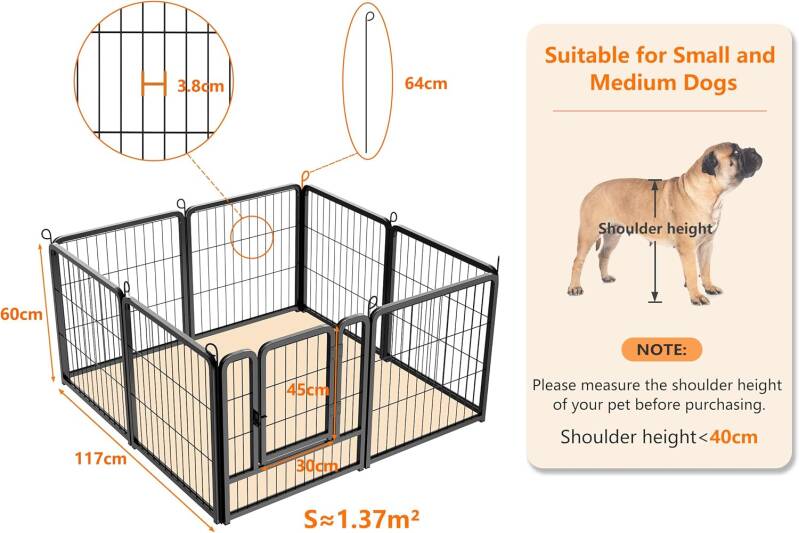
Create temporary boundaries during early introductions. Flexible panels let you shape safe zones without altering your garden permanently.
Heele Dog Muzzle

Give your dog safe, comfortable control with this lightweight, secure-fit muzzle. Ideal for training, vet visits, and confident rural walks without compromising your dog’s wellbeing.
This post contains affiliate links. If you purchase through these links, I may earn a commission at no additional cost to you.
7. When You’re Away
Always use professional sitters experienced in managing the complexities of a multi pet hpousehold, especially with poultry and dogs. Routines should ideally be maintained and your sitter should:
- Maintain established feeding and exercise times
- Supervise dog-hen time carefully
- Keep chicks fully separated
- Never introduce new freedoms or risks in your absence.
Calm, consistent care ensures the harmony is maintained.
Dogs, cats, and chickens can absolutely share a peaceful garden when routines are calm and boundaries clear. Start slowly, observe constantly, and let relationships build naturally.
Planning a trip? We’d be happy to maintain your pets’ routines with quiet professionalism.
👉 Contact A-Breed-Apart for trusted pet and poultry sitting.
Your Questions Answered
Can all dogs live safely with chickens?
No, and it’s important to acknowledge that clearly. Many dogs, with calm introductions and training, will coexist beautifully with your flock. However, those dogs and breeds with a high prey drive, a strong chase instinct, or a history of killing wildlife are not suitable for free access to hens. For these dogs, permanent separation is the safest and kindest approach.
How can I tell if my dog is likely to accept chickens?
Watch for clues. Observe their behaviour around wild birds, squirrels or livestock. Are they able to disengage when excited? What is their usual immediate response to your version of the ‘leave it’ command? What is their breed and general temperament.
Dogs who can’t settle near the run or whose body language stiffens and locks onto hens are unlikely to ever be trustworthy around them.
Can training overcome prey drive?
Training can’t eliminate prey drive, but it can help manage it. Many dogs can learn to stay calm and controlled around chickens with consistent training and supervision.
However, dogs with strong, obsessive prey instincts — especially those with a history of chasing or killing — are unlikely to ever be fully trustworthy. In such cases, training should focus on managing risk through secure boundaries and constant supervision rather than expecting full reliability.
Should hens and dogs ever be left alone together?
Only if your dog has demonstrated months of calm, reliable behaviour and shows no fixation or chase behaviour whatsoever, and even then, supervision remains strongly recommended.
High-prey-drive dogs should never be left unsupervised with hens.
What if my dog simply won’t accept the hens?
Then separation is the correct choice and there’s no shame in that. Use fencing, runs, partitions, or timed access to keep species apart. Many households happily run dogs and hens in the same garden without ever letting them mix physically.

Author Bio
Glenn Bauer is a mature, professional housesitting specialist providing trusted pet and property care across Wiltshire, the Cotswolds and West Berkshire. With over a thousand days of hands-on experience caring for rural homes and animals, Glenn and his wife Mandy are known for their professionalism, security-minded service, and calm reassurance for pets.
Contact Glenn and Mandy
Add comment
Comments