

For countryside homeowners who enjoy travelling with their dogs or cats, the prospect of the EU pet passport returning is welcome news. Since Brexit, cross-border pet travel has required more paperwork, tighter timelines, and repeated vet visits, all of which have added cost and inconvenience.
As a mature, professional housesitting couple, Glenn and Mandy regularly support homeowners who either travel with their pets or choose to leave them safely at home. We are often asked whether EU pet passports are genuinely returning, what applies right now, and how to plan responsibly for pet travel in 2025.
This guide explains what has changed, what has not, and how to prepare properly, including why pet travel insurance should now be considered essential rather than optional.

Marketplace
Disclaimer: As an Amazon Associate, I earn from qualifying purchases.


Why EU Pet Passports Matter Post-Brexit
Before Brexit, UK-issued EU pet passports allowed dogs and cats to travel freely across most of Europe with minimal administration. Since 2021, that system was replaced with the Animal Health Certificate (AHC), issued per trip and valid for limited periods.
For frequent travellers, the difference has been significant. Costs increased, spontaneity disappeared, and reliance on last-minute vet appointments became unavoidable. The proposed reintroduction of EU pet passports therefore represents more than convenience; it restores predictability and planning confidence for pet owners.
Are EU Pet Passports Back for UK Pet Owners?
Not yet, but progress is underway.
As of May 2025, the UK and EU have agreed in principle to reintroduce an EU pet passport scheme for British pet owners. However, an official start date has not yet been confirmed, and the Animal Health Certificate remains mandatory for all EU travel in the meantime.
Until formal implementation is announced, pet owners should assume AHCs are still required for every trip.
What the New EU Pet Passport Will Change
Once live, the reintroduced EU pet passport scheme is expected to provide:
A single, long-term travel document, valid for multiple EU trips
Ongoing validity provided rabies vaccinations remain up to date
Reduced reliance on repeated pre-travel vet appointments
Lower long-term costs for regular travellers
For pet owners who travel several times a year, this marks a meaningful return to a more workable system.
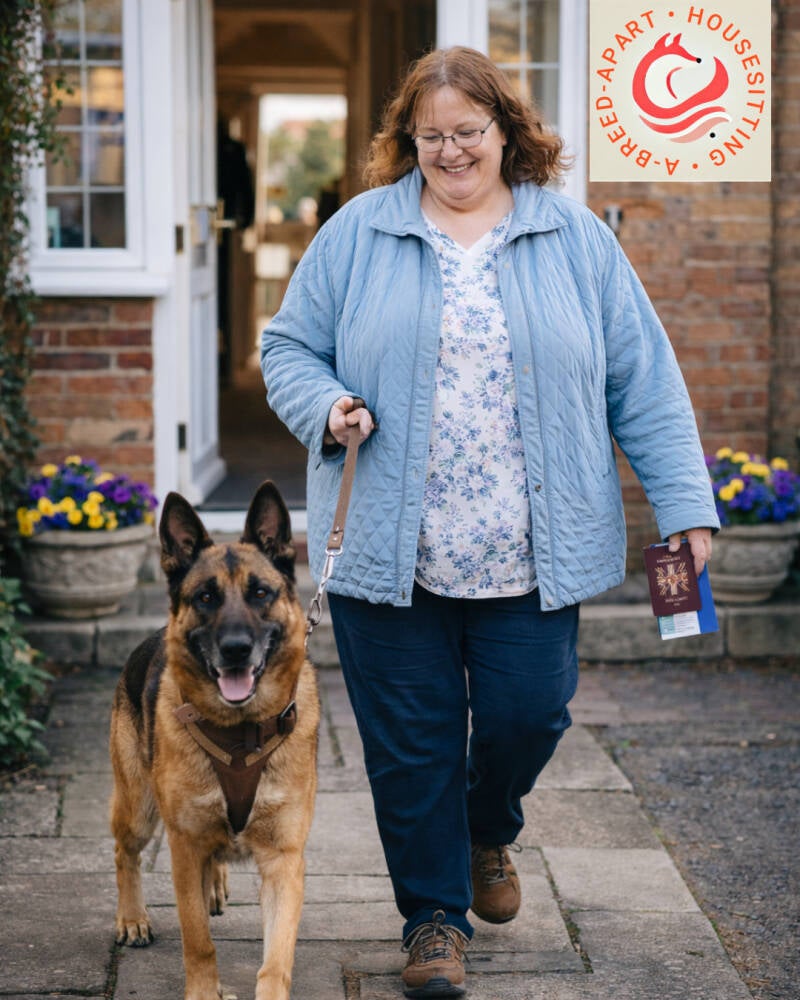
What Pet Owners Should Do Right Now
1. Confirm Microchipping and Rabies Vaccination
All pets must be microchipped and vaccinated against rabies. If a rabies vaccination has lapsed, travel cannot take place until 21 days after the booster.
Authoritative guidance is available from Dogs Trust and DEFRA.
2. Continue Using Animal Health Certificates
Until the new passport scheme is active, an AHC is required for every EU trip. These must be issued within 10 days of travel and should be booked well in advance, particularly during peak holiday periods.
3. Speak to Your Vet About Passport Readiness
Not all veterinary practices will be authorised immediately to issue EU pet passports. Asking early allows you to plan realistically and avoid last-minute complications.
Additional Country-Specific Requirements
Some destinations impose extra requirements:
- Tapeworm treatment for dogs travelling to Ireland, Finland, Norway, and Malta
- Border checks at ferry ports and Eurotunnel terminals
- Airline-specific pet transport policies
Always check destination-specific rules before booking travel.
Seasonal Considerations for European Pet Travel
Summer travel presents additional challenges:
- Heat stress during long journeys
- Busy ports and border delays
- Limited shade and water at service areas
Plan routes carefully, avoid peak heat hours, and consider whether travelling with your pet genuinely serves their welfare.
In many cases, pets, particularly older animals and cats, are better cared for at home with a trusted professional sitter.
The Importance of Pet Travel Insurance
Travelling abroad with pets introduces risks that are not always obvious until something goes wrong. Veterinary treatment costs can be high, access to English-speaking clinics limited, and emergency transport complicated.
Pet travel insurance can help cover:
- Emergency veterinary treatment abroad
- Repatriation costs if a pet must return early
- Quarantine expenses if documentation issues arise
- Third-party liability cover in some countries
A clear, UK-specific overview of what to consider is available via this guide on travelling with pets, provided by GoCompare:
👉 https://www.gocompare.com/travel-insurance/guide/travelling-with-pets/
Insurance should be arranged before travel, checked carefully for exclusions, and matched to your destination and mode of transport.
A-Breed-Apart Insights
- Often pet owners underestimate how stressful border crossings can be for older dogs.
- We frequently care for pets whose owners choose not to take their senior pets with travelling with them.
- Continuity of routine often outweighs novelty for animal wellbeing.
Step-by-Step Checklist for EU Pet Travel
- Confirm microchip registration
- Check rabies vaccination dates
- Book AHC appointment (if required)
- Verify destination-specific rules
- Arrange pet travel insurance
- Prepare document folder for borders
FAQs
Do UK pets currently need an EU pet passport?
No. UK pets still require an Animal Health Certificate until the new passport scheme officially launches.
When will EU pet passports return?
An exact date has not been announced, although agreement has been reached in principle.
Is pet travel insurance mandatory?
It is not legally required, but it is strongly recommended due to potential veterinary and repatriation costs.
Can my pet stay at home instead of travelling?
Yes. Many pets cope better with consistent routines at home, supported by a trusted housesitter.
Download our Free Overseas Pet Travel Checklist >>>

Book a Mature, Professional Housesitter Instead
If you’d rather your pets stayed safely at home while you enjoy your travels, we’re here to help. At A-Breed-Apart, we specialise in caring for pets and rural properties. Whether you’re away for a weekend or a month, we ensure your animals stay happy and healthy in their own environment.
Complete this short Enquiry Form to book a consultation and let’s get your next sit sorted.
Travelling with pets across Europe is becoming more achievable again, but careful preparation remains essential. Clear documentation, realistic planning, and appropriate insurance all contribute to safer journeys and better outcomes for animals.
For homeowners who prefer not to travel with their pets, professional in-home care remains a reliable alternative.
If you found this guide helpful, you may also wish to read:
- Choosing the Right Housesitter for Rural Properties
- Preparing Your Home for Extended Travel
- How to Reduce Travel Stress for Older Dogs
Are you planning to travel with your pet this year, or weighing up whether home care would be kinder? You’re welcome to share this guide with others facing the same decision.
Related Reads
How to Keep Your Pets Happy While You’re Away

Essential Checklist for Homeowners Hiring a House Sitter

Pet Travel Essentials: Must-Have Gear for Happy Pets

Add comment
Comments