

A dog owner can improve behaviour and wellbeing by providing structured mental stimulation, appropriate physical activity, and predictable enrichment routines tailored to their dog’s age and breed.
If a dog has space but no structure, boredom often fills the gap.
Canine enrichment is not about tiring dogs out indiscriminately. It is about meeting instinctive needs through thoughtful, repeatable activities that support calm behaviour indoors, confidence outdoors, and healthy cognitive ageing.
This updated guide reflects current behavioural science, modern enrichment tools, and practical experience from hundreds of countryside housesits.

Understanding Canine Enrichment
Canine enrichment refers to activities that stimulate a dog’s mind, body, and senses. Think of it as a holistic approach to ensuring your dog leads a fulfilling life. Enrichment can be broken down into several categories:
- Cognitive Enrichment: Puzzle games for dogs at home, treat-dispensing toys, and training exercises that make them think.
- Sensory Enrichment: Activities that engage sight, sound, smell, taste, and touch, such as homemade scent games for dogs.
- Physical Enrichment: Exercise beyond daily walks, like agility courses, flirt poles, and swimming.
- Social Enrichment: Interactions with humans and other dogs through playdates, training sessions, and structured activities.
- Nutritional Enrichment: Making mealtime more engaging with food puzzles and scent-based hide-and-seek games.
Each type of enrichment serves a vital role in keeping dogs happy and engaged.
Mental training for dogs is invaluable

The Science Behind Canine Enrichment
Studies show that dogs who receive regular mental stimulation are less likely to develop anxiety or destructive behaviours. Enrichment is particularly important for puppies and senior dogs. Puppies need structured activities to support cognitive development, while older dogs benefit from brain games that keep their minds sharp and stave off cognitive decline.
Animal behaviourists have found that activities like scent work tap into a dog’s natural instincts, providing immense mental stimulation. Even 10 minutes of a scent game can be as tiring as a 30-minute walk!
Signs Your Dog Needs More Enrichment Activity
If your dog exhibits any of the following behaviours, they might be craving more mental and physical stimulation:
✅ Excessive barking or whining
✅ Destructive chewing (furniture, shoes, or even walls!)
✅ Hyperactivity indoors
✅ Digging up the garden
✅ Restlessness or inability to settle
✅ Over excitement when seeing other dogs or people
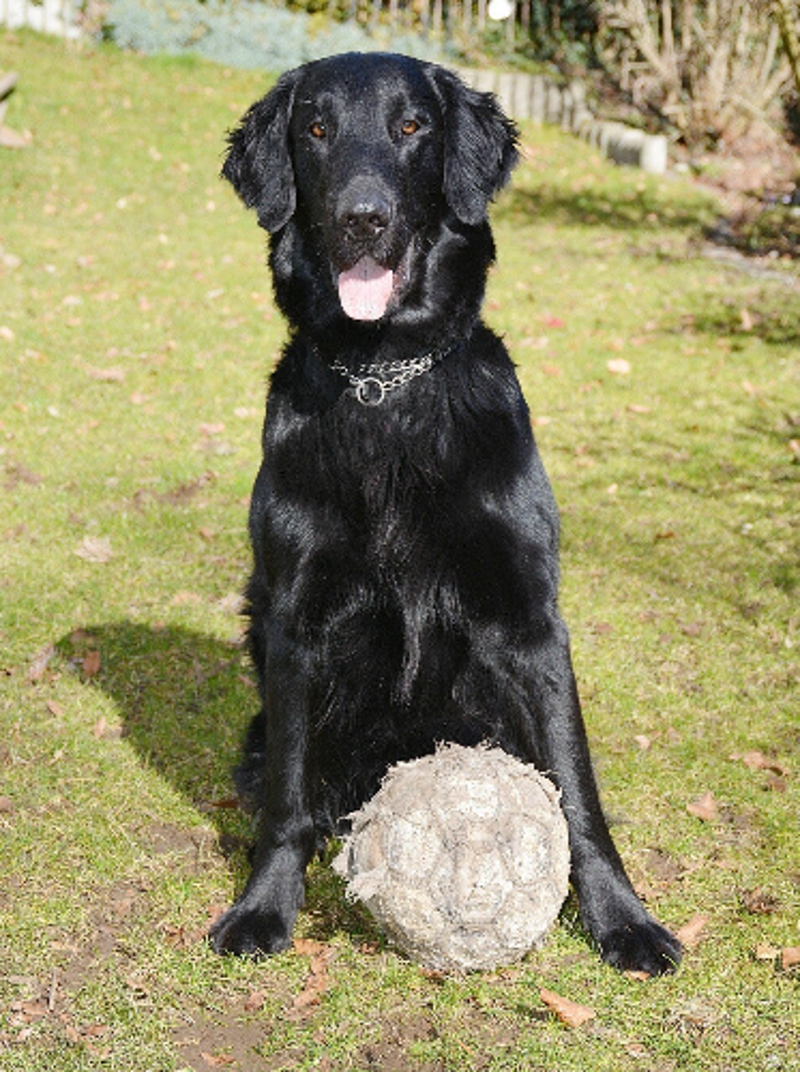
< Dogs need mental and physical activity
Image by Regina Dautenhahn from Pixabay
Best Recommended Canine Enrichment Activities
1. Interactive Puzzle Toys for Mental Stimulation
Puzzle games for dogs at home are a fantastic way to challenge their brains. Here are some top choices:
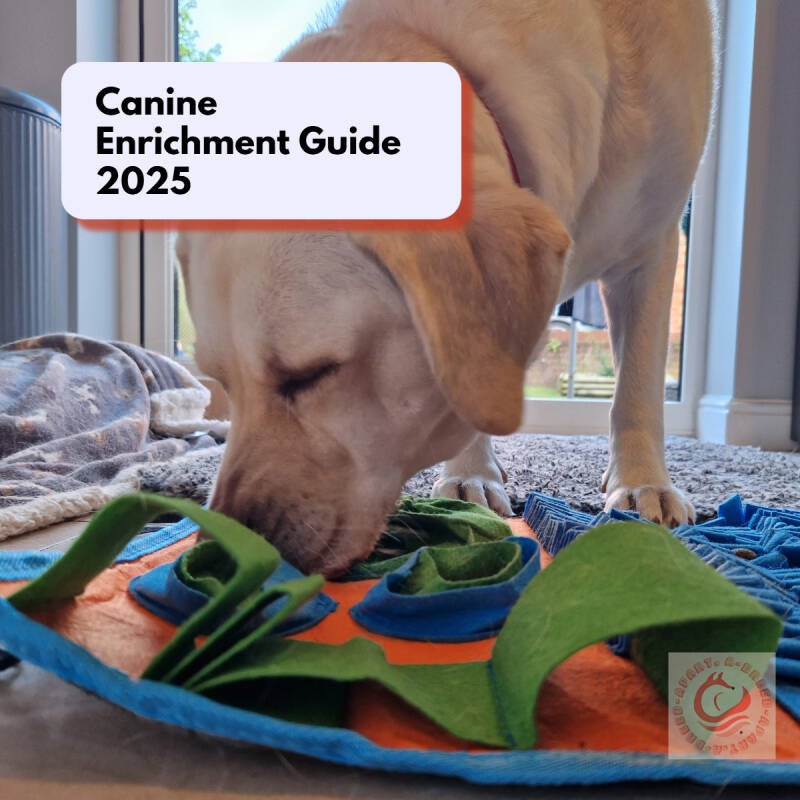
🧩 Snuffle Mats: Scatter kibble among fabric strands to encourage sniffing and foraging.
🧩 Kong Toys: Stuff with peanut butter, yoghurt, or frozen treats for a longer-lasting challenge.
🧩 Treat-Dispensing Balls: Encourage problem-solving by making dogs roll the ball to release food.
2. DIY Enrichment Activities for Budget-Friendly Fun
For those on a budget, DIY dog enrichment toys are a great solution:
🛠 Cardboard Box Challenge: Hide treats inside an old box and let your dog tear it apart to find the reward.
🛠 Towel Roll-Up Game: Roll treats into a towel and let your dog figure out how to unroll it.
🛠 Muffin Tin Game: Place treats in a muffin tin and cover each hole with a tennis ball for an easy DIY puzzle.
3. Sensory Enrichment – Engaging a Dog’s Senses
Dogs experience the world primarily through their noses. Try these homemade scent games for dogs:
👃 Scent Trails: Hide treats around the house or garden and encourage your dog to track them down.
👃 Scent Bottles: Fill bottles with different scents (lavender, rosemary, etc.) and let your dog explore.
👃 Frozen Treasure Hunt: Freeze treats in a bowl of water and let your dog lick and paw them out.
4. Physical Enrichment – Exercise Beyond Walks
🐾 Flirt Poles: A moving lure on a pole that mimics prey, perfect for high-energy dogs.
🐾 Agility Training: Set up a mini obstacle course in the garden.
🐾 Swimming: A fantastic low-impact exercise for dogs who love water.
5. Social Enrichment – Encouraging Positive Interactions
Socialising is just as important for mental health as physical activity. Consider:
🐶 Playdates: Arrange meetups with friendly, compatible dogs.
🐶 Dog Sports: Flyball, dock diving, or herding trials.
🐶 Training Classes: Ongoing training strengthens bonds and provides mental engagement.

Uncooked Bones Are Great For Allowing Dogs To Work Off Energy
Download This Helpful Guide To Canine Enrichment
6. Food-Based Enrichment – Making Mealtime Engaging
🍖 Slow-Feeder Bowls: Prevents gulping and makes eating more interactive.
🍖 Food Puzzles: Make dogs work for their dinner.
🍖 Scatter Feeding: Toss kibble in the grass and let your dog "hunt" for their food.
7. Outdoor Adventure Enrichment Ideas
🌲 Hiking Trails: Explore new walking routes.
🏙 Urban Exploration: Introduce your dog to new sights and sounds.
🎾 Obstacle Courses: Build a makeshift agility course outdoors.
< Snuffle mats provide quality canine enrichment
8. Rotating Toys & Novelty for Continuous Engagement
Dogs, like kids, get bored of the same toys. Keep things fresh by rotating toys every few days.
9. Technology & Enrichment – Smart Gadgets for Dogs
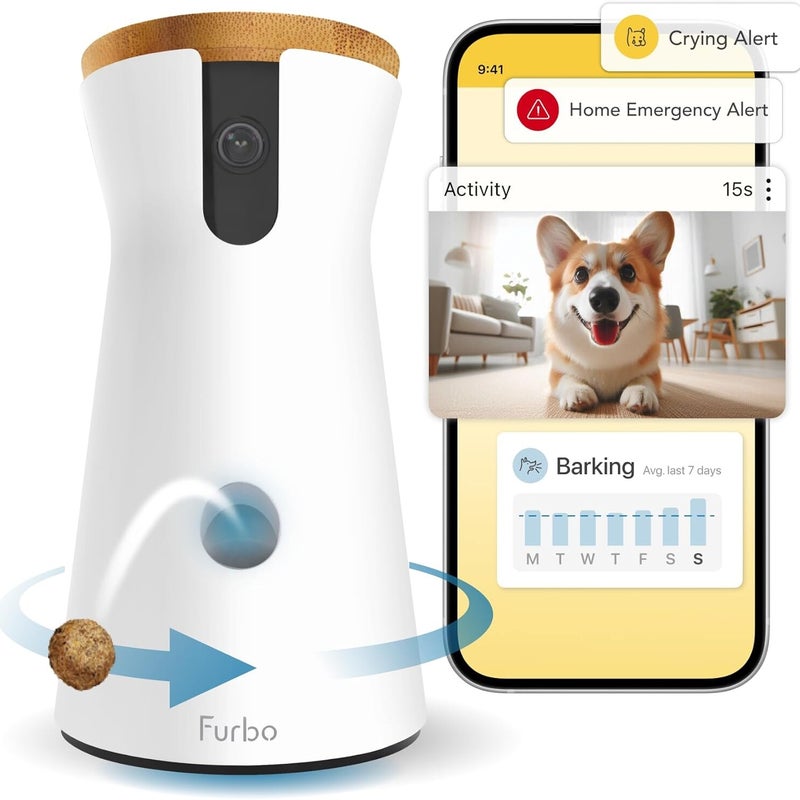
📱 Pet Cameras with Treat Dispensers: Stay engaged with your dog even when you’re away.
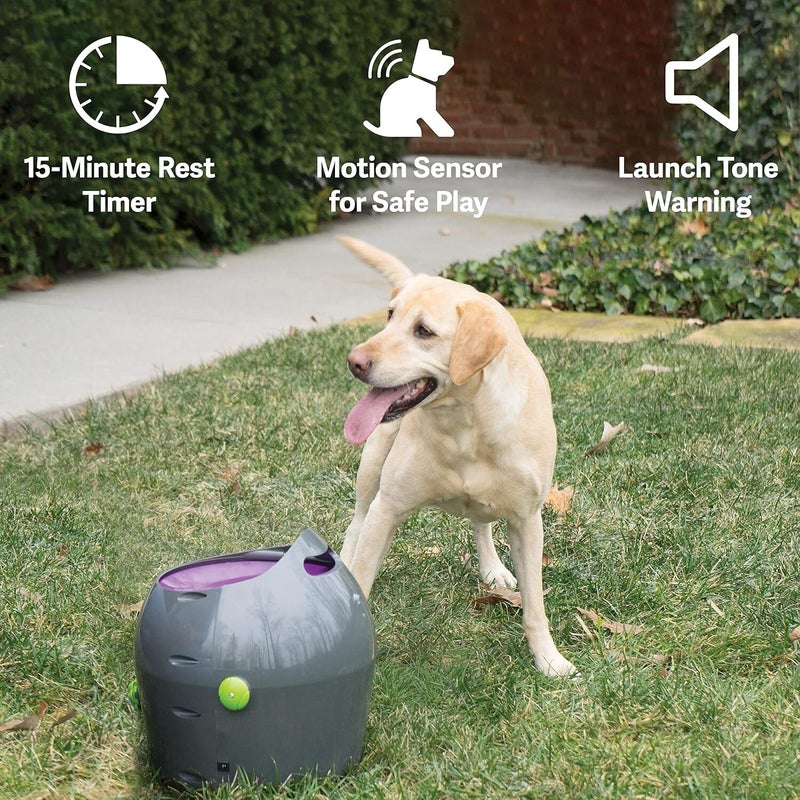
🎮 Automatic Ball Launchers: Great for fetch-loving breeds.
10. Enrichment Activities for Different Dog Breeds
🐕 Working Dogs (Labradors, Collies): Scent work and agility training.
🐩 Toy Breeds (Chihuahuas, Pugs): Small-scale puzzles and indoor activities.
🐕🦺 Senior Dogs: Gentle scent games and slow-feeder bowls.
A Senior Shi Tzu Rolls a Weighted Ball To Get Treats

Watching Happy Dogs Play Is One Of Life's Great Joys!
Note: Overstimulation & Hyperactivity
✅ Potential Issue: Some dogs, especially highly intelligent or working breeds (Border Collies, Malinois, Spaniels), can become overly excited or even frustrated if they are constantly in problem-solving mode without adequate rest. This can lead to:
- Excessive energy levels: Symptoms include unable to settle, pacing, and whining.
- Obsessive behaviour: You'll notice that they become fixating on puzzles or scent work.
- Increased demand for interaction: They become needy, always angling for more activities.
✅ How to Avoid It:
- Balance enrichment with rest: Mental stimulation is tiring, but if your dog struggles to switch off, ensure they have structured downtime.
- Follow the 15-minute rule: For scent work or puzzle games, 10–15 minutes at a time is ideal before a break.
- Rotate activities: Avoid repeating the same game over and over in a short period, which can lead to obsessive behaviour.
Creating a Happy, Stimulated Dog
Providing your dogs with enrichment doesn’t require expensive gadgets, just a bit of creativity and commitment. Try different activities to see what your dog enjoys most.
What’s your dog’s favourite enrichment activity? Drop a comment below and share your experiences! 🐶✨
Add comment
Comments